THE BLOG

Flourishing is a term within the field of positive psychology that focuses on a multi-dimensional, complex approach to what true wellbeing and happiness look like. There are a lot of factors that make up flourishing, from personal development, self-love, self-awareness, financial freedom, and more. You might experience flourishing when you are trying new things, exploring a new hobby, and spending time with loved ones. Flourishing isn’t just one of these areas, it’s focusing on all of these pieces of the puzzle; a complete picture of wellbeing and happiness.
We’ve always been told it’s important to stay hydrated. But has anyone ever explained why? We know there are physical implications of dehydration however did you know that staying hydrated is crucial to supporting your mental health as well? Dehydration can impact your mental health in a few different ways. So grab your water bottle, fill up, and read on.
While anger is a valid emotion and natural to feel, when anger takes over and we lose control this can lead to challenges in our personal and professional lives, impacting our emotional wellbeing. However, there are techniques to manage our anger so that we can feel in control of our emotions. Anger management strategies can be extremely helpful in managing and reducing feelings of anger. Anger management strategies include learning how to recognize what anger looks like in ourselves, how to reduce feelings of anger, stepping back and reflecting on our anger before acting on it, understanding the triggers that cause us to feel angry, and how to utilize anger in healthy ways.


We all know that anger is a normal emotion and valid in many situations. However expressing anger through yelling, expletives, or aggressive behaviors can lead to negative consequences. It’s important we find ways to share our anger with others in ways that allow the other to hear and understand us.
Therapist Favorites
Explore a curated selection of blog posts recommended by our therapists, designed to provide valuable insights, practical tips, and expert advice on a variety of mental health topics.
MEET OUR THERAPISTS

What is anxiety? Emotionally, anxiety is a state of inner turmoil often marked by intense worry, fear, orunease. It can show up as racing thoughts, dread about the future, or a constant feelingthat something bad might happen—even if there’s no obvious reason. Physically, anxiety activates the body’s stress response. It can manifest physically in arapid […]
Strange title, right? Everybody knows how to breathe! However, there may be more to breathing than we may realize. Everybody has gone through moments of nervousness and worry, be it when taking a test, thinking about the next sports game, or even choosing a gift for someone you care about. When feeling anxious or generally […]

When we think of having a healthy diet, we naturally think of how this will impact our body. What we often overlook is how our diet impacts our mental health. Research continues to support this idea that our very diet can leave us more susceptible to negative moods and even our overall mental health (Firth […]
All Recent Posts

We are always using executive functioning skills. But do you know what they are or why they’re beneficial? Executive functions are mental skills that focus on emotion regulation, memory, impulse control, and being flexible thinkers. We are constantly using our executive functions to help us on a day-to-day basis. When we struggle with executive functions, we might might ourselves struggling with directions, having difficulty concentrating, and struggling to manage difficult emotions. With all of the work our executive functions do, there are ways to help support and improve these areas over time, when we find ourselves struggling.

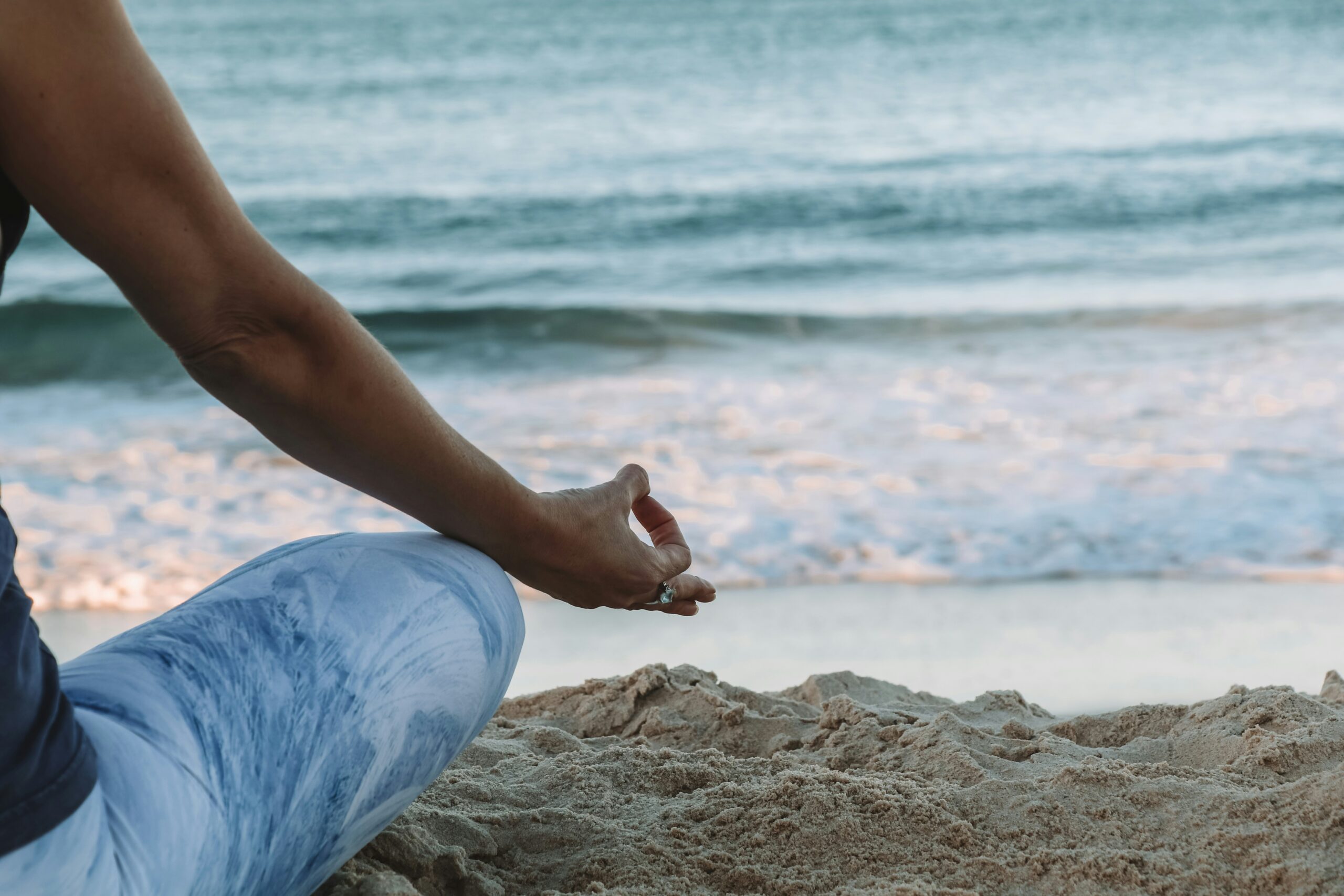
May is Meditation Month however it doesn’t just need to be May to practice the daily benefits of mindfulness and meditation. Mindfulness is the practice of staying present, and focusing on the moment. Research shows that practicing mindfulness through meditation or other relaxation strategies daily can lead to many benefits for both our physical and emotional wellbeing.
What is anxiety? Emotionally, anxiety is a state of inner turmoil often marked by intense worry, fear, orunease. It can show up as racing thoughts, dread about the future, or a constant feelingthat something bad might happen—even if there’s no obvious reason. Physically, anxiety activates the body’s stress response. It can manifest physically in arapid […]
Strange title, right? Everybody knows how to breathe! However, there may be more to breathing than we may realize. Everybody has gone through moments of nervousness and worry, be it when taking a test, thinking about the next sports game, or even choosing a gift for someone you care about. When feeling anxious or generally […]
When we think of having a healthy diet, we naturally think of how this will impact our body. What we often overlook is how our diet impacts our mental health. Research continues to support this idea that our very diet can leave us more susceptible to negative moods and even our overall mental health (Firth […]

It is never an easy process to acknowledge that we may be struggling. Oftentimes in our struggles, we may seek quick relief. Substances are a popular choice for finding this quick relief. Unfortunately, some may fall victim to the dark side of substances and face addiction. When we think of addiction in general, substances are […]
May is Meditation Month however it doesn’t just need to be May to practice the daily benefits of mindfulness and meditation. Mindfulness is the practice of staying present, and focusing on the moment. Research shows that practicing mindfulness through meditation or other relaxation strategies daily can lead to many benefits for both our physical and emotional wellbeing.
LOOKING FOR MORE ON

LOOKING FOR MORE ON
Anger is a healthy emotion, but often we worry it isn’t. Focused on the behaviors anger can lead to, we often avoid thinking about and tackling why we are feeling angry. We all experience anger, from frustration with a co-worker to full-blown anger in a breakup or another scenario. Amongst varying degrees of anger, it’s helpful to have strategies that support regulating these emotions, so that you are not impacted negatively.
By practicing coping strategies daily, to reduce and manage anger, we can find ourselves better able to manage stressors as they arise. Here are a few daily practices to try that can support this.

LOOKING FOR MORE ON
We know we all need to engage in self-care. It makes us feel good, it helps us destress, and we know that there are long-term benefits for our mental and physical health. However, in difficult moments, it’s often difficult for our brains to remember all the self-care activities we know as our nervous systems take over and attempt to fight or flee. Thus, developing a self-care toolkit for any moment can be helpful. By having these on hand, you can use them anytime you feel stress or need something to help you regroup.
Whether you’re new to therapy or continuing your journey, Modern Therapy is here to provide the support you need. We offer flexible, convenient, and accessible care tailored to your unique needs. Reach out to us today, and let’s take the first step together toward a brighter, healthier future.
YOU don't have to navigate it alone


