Health

Social distancing has become crucial in order to prevent the spread of the new coronavirus. However, this can feel lonely and isolating, especially if you typically are on your own whether in your work life or personal life. For many, connecting via social media has become the new norm. Whether being on your own is something you are used to or not, the differences at present are valid and can take a toll on anyone.

It remains uncertain how long this pandemic will last or the true impact it will have. Additionally, we still know little about the virus itself and how it impacts our daily lives moving forward. We still need to figure out what concerns we should have, as there are so many unknowns. However, what we do know right now is that everyone is impacted by this pandemic. Thus, it is time for us all to come together for a common goal, and utilize positive coping strategies to work through the present moment and any negative feelings that arise. This notion also gives comfort as we know we are not alone, we are all experiencing this.
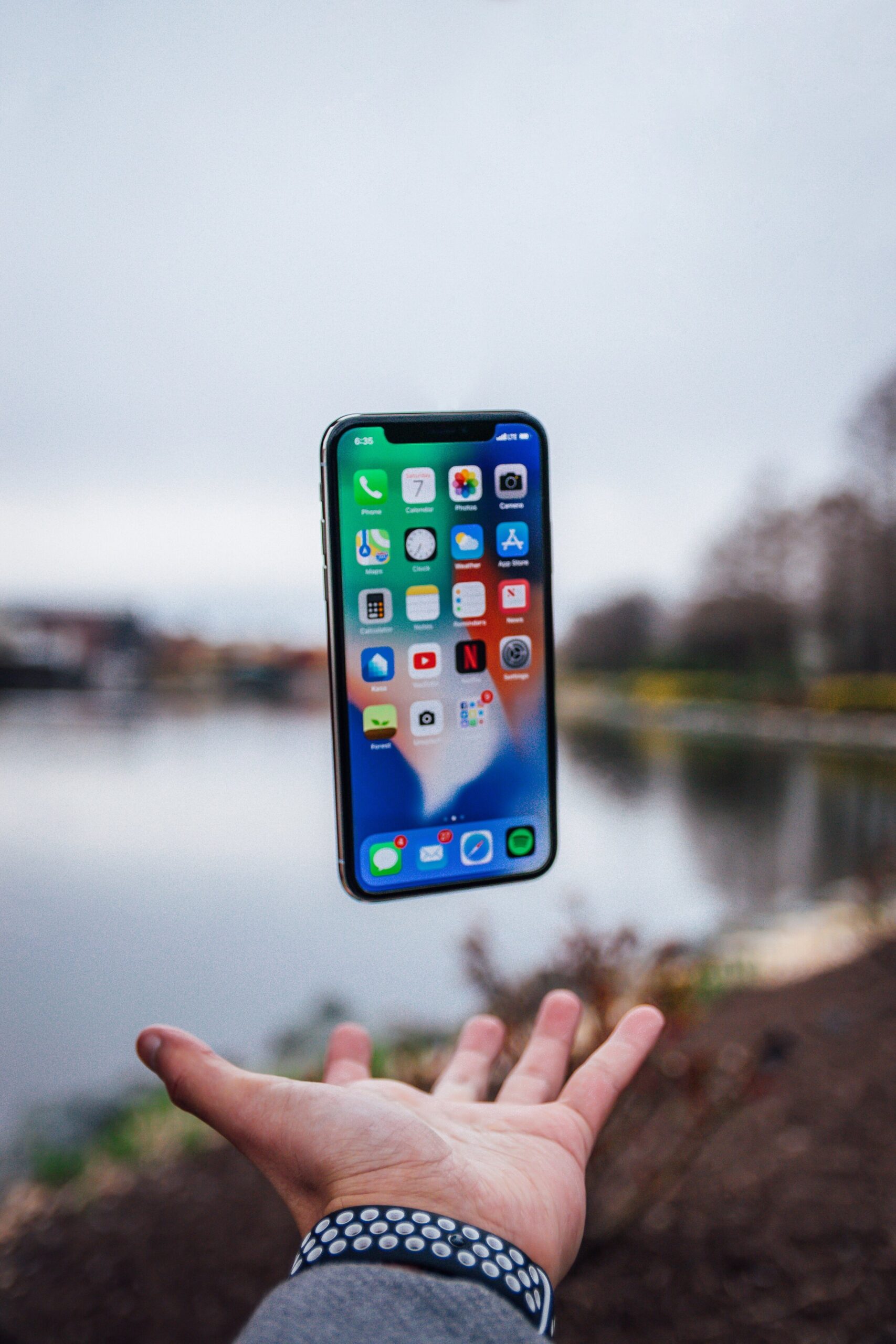
With technology growing and changing constantly, it makes sense that tech has begun to tackle mental health. While we love therapy, how can mental health apps supplement your weekly therapeutic work? There are a variety of tools to use, at your disposal.

These mindfulness tips can transform your life!

Some tips on how to cope with chronic pain.

Improving your memory will help you in so many ways. It may be memorizing information for a final exam that counts for a large portion of your grade, you have to give an important presentation at work, or you are just tired of forgetting things so often. While it may seem at times that it’s impossible to improve, there are many methods and techniques that can help improve memory. This post will provide you with a few strategies to help you on your journey to improving memory.

Self-control is something you can increase. Science says so!

Try these tips to help you create long-lasting change and turn resolutions into habits.

We are often terrible at keeping our New Years Resolutions. New research has discovered why most people fail in their New Years Resolutions and give strategies to ensure you don’t end up failing at this in the new year coming up.

As daylight savings time has come to an end and we approach the winter, the hours of available sunlight have rapidly declined. As the days get darker, it is common for individuals to struggle to maintain a positive outlook. The “winter blues” are common and some individuals may even experience Seasonal Affective Disorder (SAD). Whether you have the winter blues or SAD, symptoms tend to start in the fall and continue through winter, where individuals might experience mood swings, lack of energy, and increased levels of fatigue.
