Lifestyle

It is difficult for most families to develop happy and healthy relationships, which is why it is even harder when attempting to blend two families. It can take years and a lot of work for stepfamilies to establish working and comfortable relationships. The hardest years and generally the first few, as there are unique challenges to the couple in getting to know each other, while also trying to nurture the children’s relationships with each other and the stepparents as well. Here are some tips on blending families:

If you notice that the travel blues is something you get when you return home, accept that it happens then prepare yourself for it.

ADHD symptoms can sometimes compromise appropriate communication. Here are some tips that can help you practice effective communication:

The parent-child type of relationship is seen frequently in marriages where one partner lives with ADHD. Typically, the non-ADHD partner takes on the role of the parent and the partner with ADHD the role of the child. It generally starts when the partner with ADHD does not follow through on tasks, such as paying a bill or leaving the laundry out in a pile. Naturally, the non-ADHD partner will step in to handle more of the household responsibilities.

Many people live with travel anxiety, which could include a fear of flying, nervousness when planning a trip, or general anxiety throughout travels. Here are some tips to help you combat that anxiety.

Watch out for these red flags.

Here are just a few signs that your friend may be taking advantage of you.

Money can be a stressful topic, which is why it comes as no surprise that combining finances with a partner can be a difficult task. Sharing finances traditionally occurred after marriage when the couple moved in together. In today’s society, many couples are combining their homes and financial lives prior to marriage, which can get a little tricky to figure out at first. While every relationship is different, here are some tips to help you and your partner avoid financial fights.

Therapists frequently suggest tracking your moods in order to understand which triggers or situations lead to certain emotions. If you are seeing a counselor or doctor for any mood symptoms, this can be a helpful tool to update them with in between appointments, make the appointments go smoother, and assist you in staying on topic. Having your moods tracked will help you communicate how you have been feeling if you struggle describing it. It also helps to look back at your mood journal to see how far you have come and what you are capable of accomplishing.
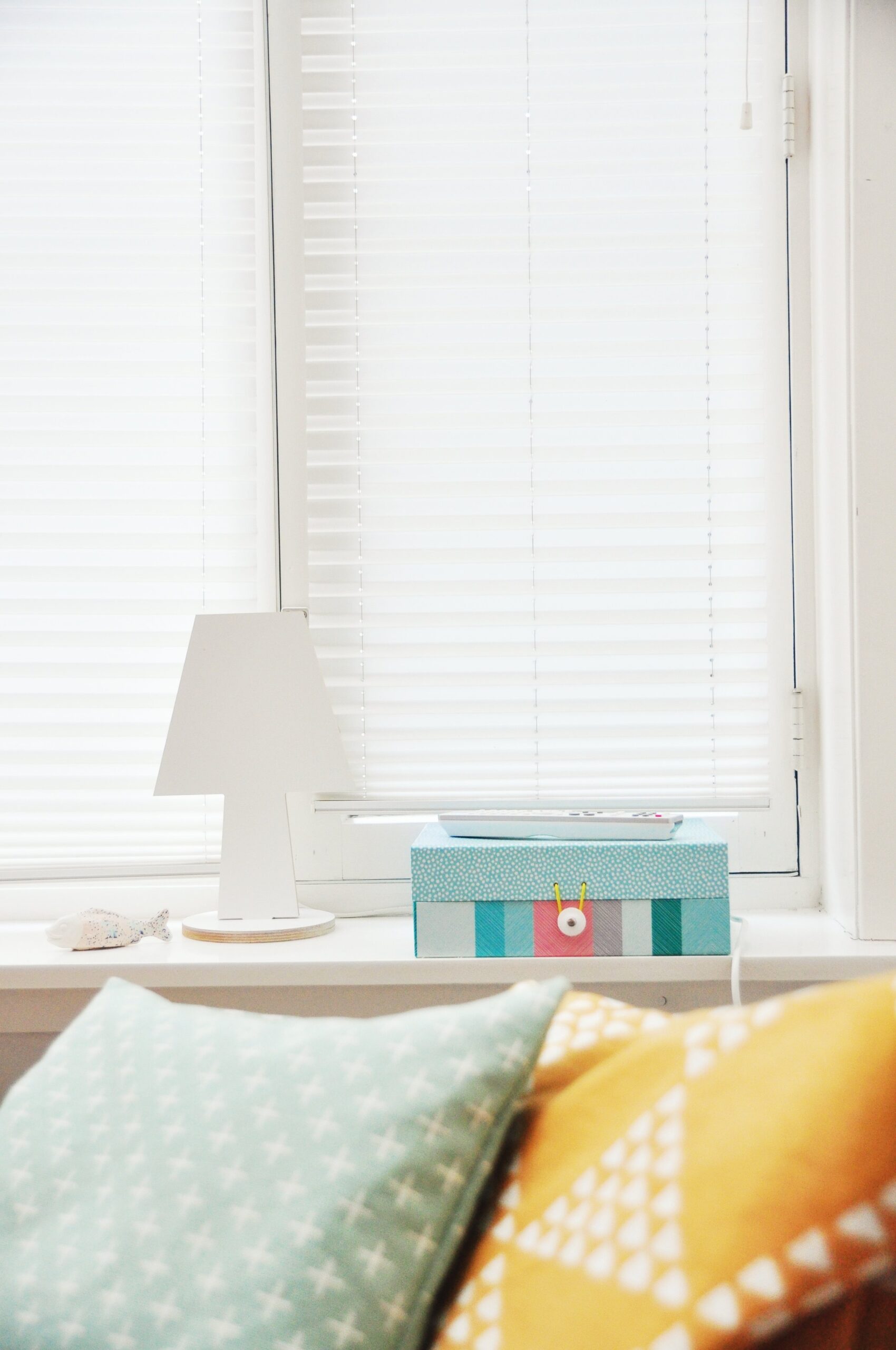
A hope box is something you can create for when you need a reminder of why your life is so precious. This technique is often used in cognitive-behavioral therapy (CBT) to cultivate hope. It is simply a collection of various items that can show you that your life is meaningful and worth living.
