THE BLOG

Dating during the pandemic? What are the rules? Is there an etiquette to it? While we currently live in an ever-changing world as social distancing remains at the forefront of much of what we do there are still ways to determine how to date safely and form connections with others, while still practicing social distancing. What are the fears around dating during the time of COVID?
As the days get shorter, temperatures drop, and we recognize those days of sitting by the pool, or going for a swim are ending, we can sometimes find ourselves feeling anxious. Autumn anxiety has been defined as, “The tendency for people to suffer from low mood or anxiety during the fall months.”. Typically autumn anxiety is triggered by the seasonal changes and occurs annually for those that experience this.
We’ve all experienced the negative effects of social media at some point in time and we have either all taken a break or have had our friends and family take social media breaks for a time. We know that taking a break can help reduce our stress levels. Research is limited, however has revealed that a little break from social media can relieve physiological symptoms of stress, at least in the short-term.

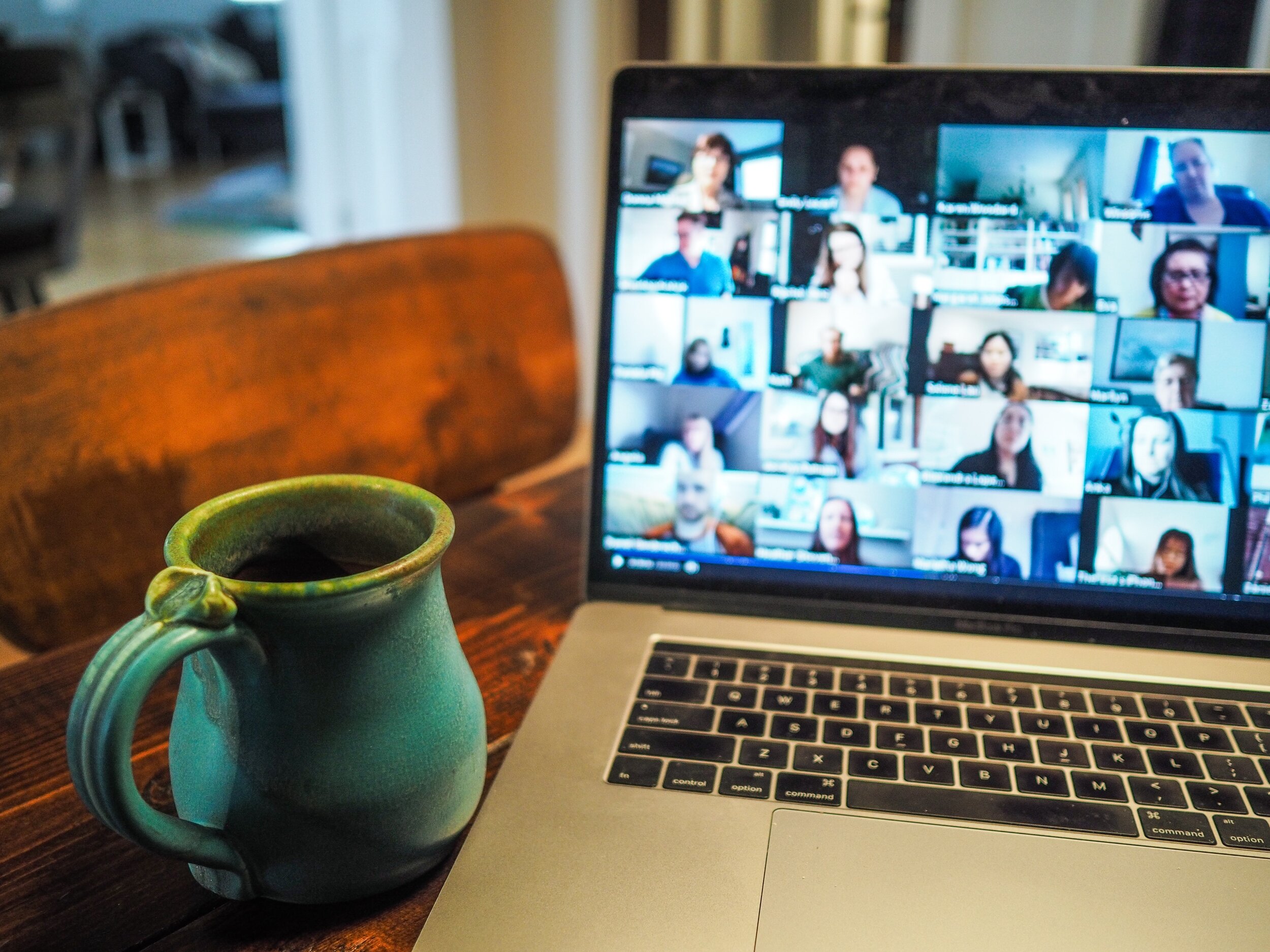
Zoom calls have taken over. A few meetings in the morning, virtual learning, seminars over Zoom, a doctor’s visit over Doxy.me and FaceTime dates with family and friends. As social distancing continues, people move from video platform to video platform throughout the day. The unintended impact of this on mental health may be what’s being referred to as “Zoom fatigue” or the “feeling of tiredness, anxiousness, or worry from one video call to the next”.
Therapist Favorites
Explore a curated selection of blog posts recommended by our therapists, designed to provide valuable insights, practical tips, and expert advice on a variety of mental health topics.
MEET OUR THERAPISTS

What is anxiety? Emotionally, anxiety is a state of inner turmoil often marked by intense worry, fear, orunease. It can show up as racing thoughts, dread about the future, or a constant feelingthat something bad might happen—even if there’s no obvious reason. Physically, anxiety activates the body’s stress response. It can manifest physically in arapid […]
Strange title, right? Everybody knows how to breathe! However, there may be more to breathing than we may realize. Everybody has gone through moments of nervousness and worry, be it when taking a test, thinking about the next sports game, or even choosing a gift for someone you care about. When feeling anxious or generally […]
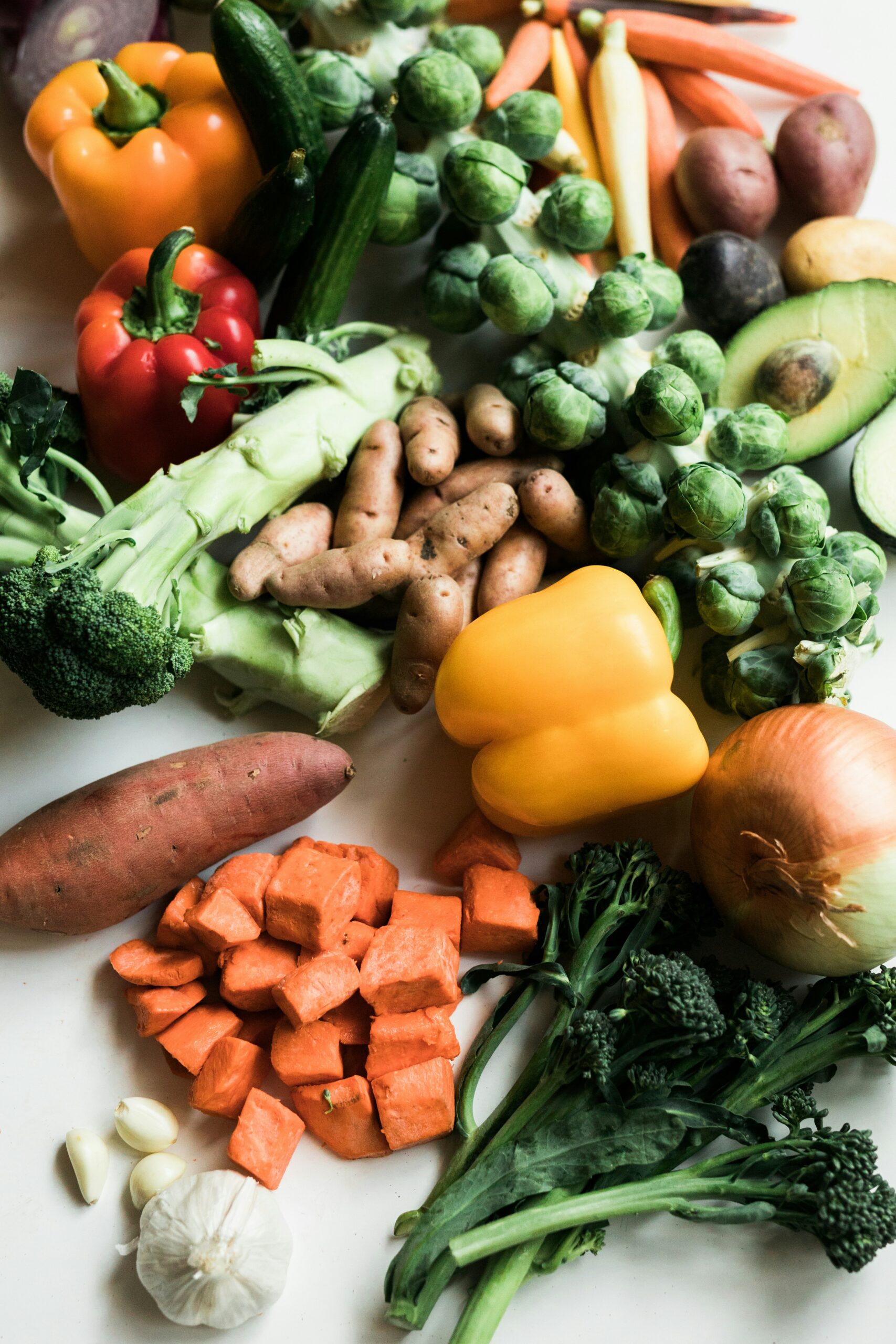
When we think of having a healthy diet, we naturally think of how this will impact our body. What we often overlook is how our diet impacts our mental health. Research continues to support this idea that our very diet can leave us more susceptible to negative moods and even our overall mental health (Firth […]
All Recent Posts
With so much content across social media around the pandemic and ongoing protests as well as outcries amongst systemic racism and police brutality, it’s important to understand the impact this has on one another and how this may exacerbate ongoing trauma responses.
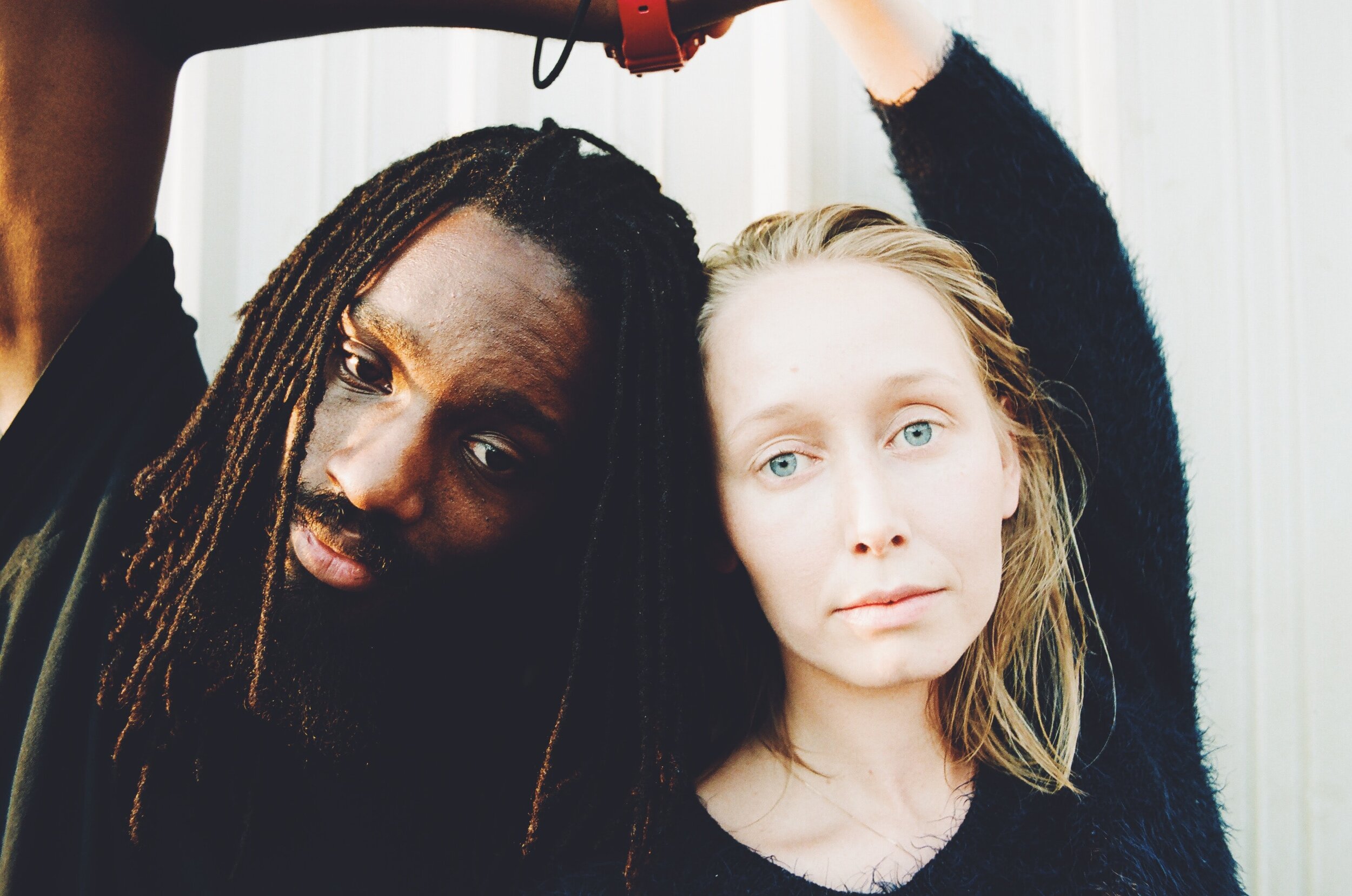
It is reported that 20% of Black Americans are more likely to report symptoms of psychological distress than their white counterparts (MHA, 2020). Black teenagers are also more likely to attempt suicide than their white counterparts, and Black Americans are more likely to be victims of serious violent crimes than white Americans – thus leading to symptoms fulfilling criteria for Posttraumatic Stress Disorder (PTSD) (MHA, 2020). Racialized trauma plays a large role in these astounding numbers and the ongoing cycle of violence so many experience.
What is anxiety? Emotionally, anxiety is a state of inner turmoil often marked by intense worry, fear, orunease. It can show up as racing thoughts, dread about the future, or a constant feelingthat something bad might happen—even if there’s no obvious reason. Physically, anxiety activates the body’s stress response. It can manifest physically in arapid […]
Strange title, right? Everybody knows how to breathe! However, there may be more to breathing than we may realize. Everybody has gone through moments of nervousness and worry, be it when taking a test, thinking about the next sports game, or even choosing a gift for someone you care about. When feeling anxious or generally […]
When we think of having a healthy diet, we naturally think of how this will impact our body. What we often overlook is how our diet impacts our mental health. Research continues to support this idea that our very diet can leave us more susceptible to negative moods and even our overall mental health (Firth […]
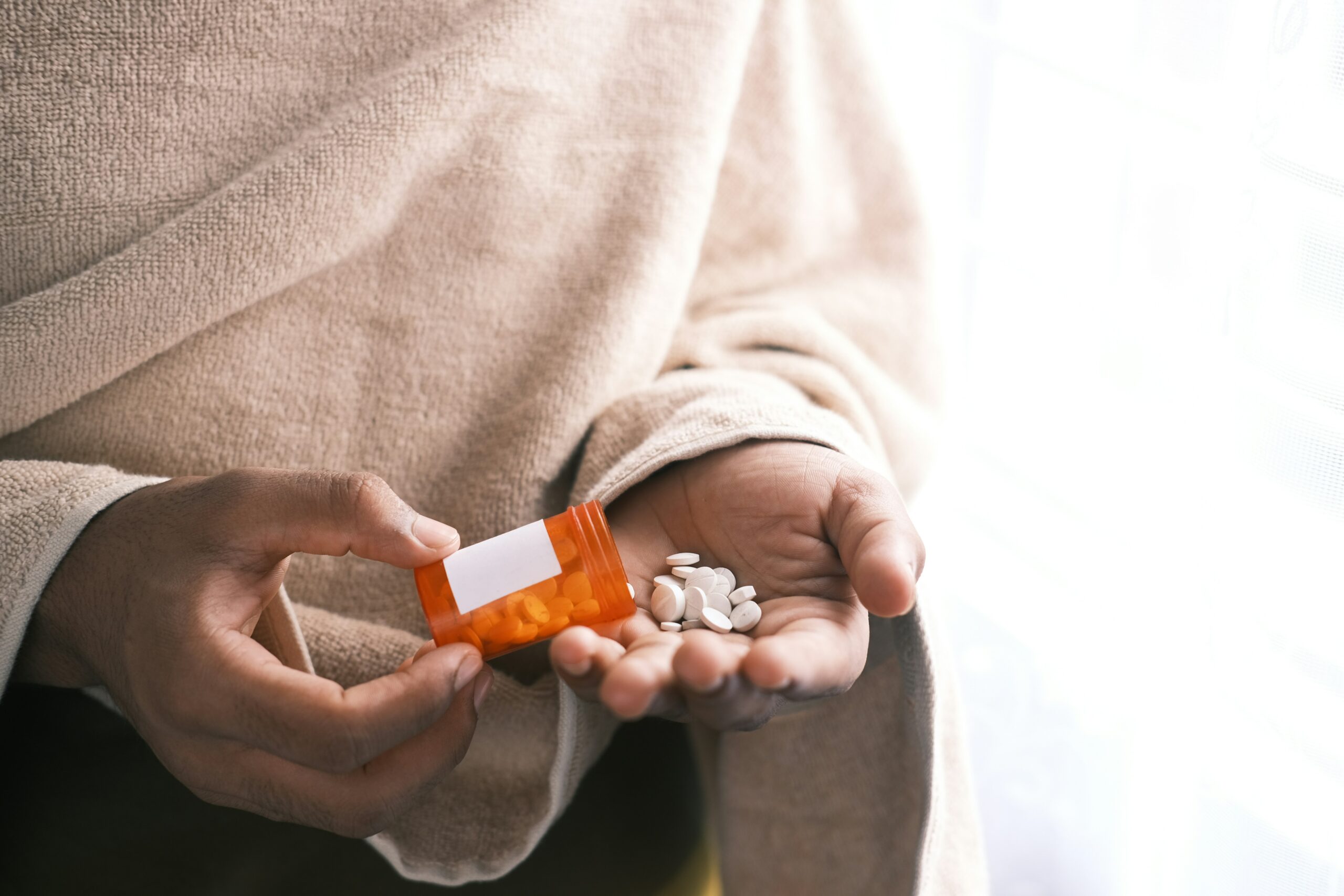
It is never an easy process to acknowledge that we may be struggling. Oftentimes in our struggles, we may seek quick relief. Substances are a popular choice for finding this quick relief. Unfortunately, some may fall victim to the dark side of substances and face addiction. When we think of addiction in general, substances are […]
It is reported that 20% of Black Americans are more likely to report symptoms of psychological distress than their white counterparts (MHA, 2020). Black teenagers are also more likely to attempt suicide than their white counterparts, and Black Americans are more likely to be victims of serious violent crimes than white Americans – thus leading to symptoms fulfilling criteria for Posttraumatic Stress Disorder (PTSD) (MHA, 2020). Racialized trauma plays a large role in these astounding numbers and the ongoing cycle of violence so many experience.
LOOKING FOR MORE ON
LOOKING FOR MORE ON
Ongoing media coverage and public outcry among many upsetting incidents across our country have sparked rage, anger, sadness, and action across not only our country, but the world. Conversations around race relations and biases within ourselves and the justice system, against individuals of color have been building and growing. From George Floyd to Breonna Taylor, Michael Brown and other lesser known cases such as the beating of homeless grandmother Marlene Pinnock, psychology is an important topic within the discussion on racial inequality and racial biases in America.

LOOKING FOR MORE ON
As the pandemic continues and the way we typically work and play has changed drastically, we are spending more time at home, away from our friends and family. With limited social connection and disruption of routines, there will be an adjustment period for all. Prioritizing your self care during this time is crucial for your mental health and will help reduce stress and anxiety, boost your mood, and support your overall health and wellness.
Whether you’re new to therapy or continuing your journey, Modern Therapy is here to provide the support you need. We offer flexible, convenient, and accessible care tailored to your unique needs. Reach out to us today, and let’s take the first step together toward a brighter, healthier future.
YOU don't have to navigate it alone


