Depression

Part of our ability to problem-solve and identify coping strategies in the moment, is the ability to analyze feelings in the moment and rethink negative thoughts. However, this isn’t as easy as it sounds. When experiencing negative thoughts and emotions, we often need the help from others, our support network, to cope. Have stable people in our support networks is crucial for our overall mental health.

With so much content across social media around the pandemic and ongoing protests as well as outcries amongst systemic racism and police brutality, it’s important to understand the impact this has on one another and how this may exacerbate ongoing trauma responses.
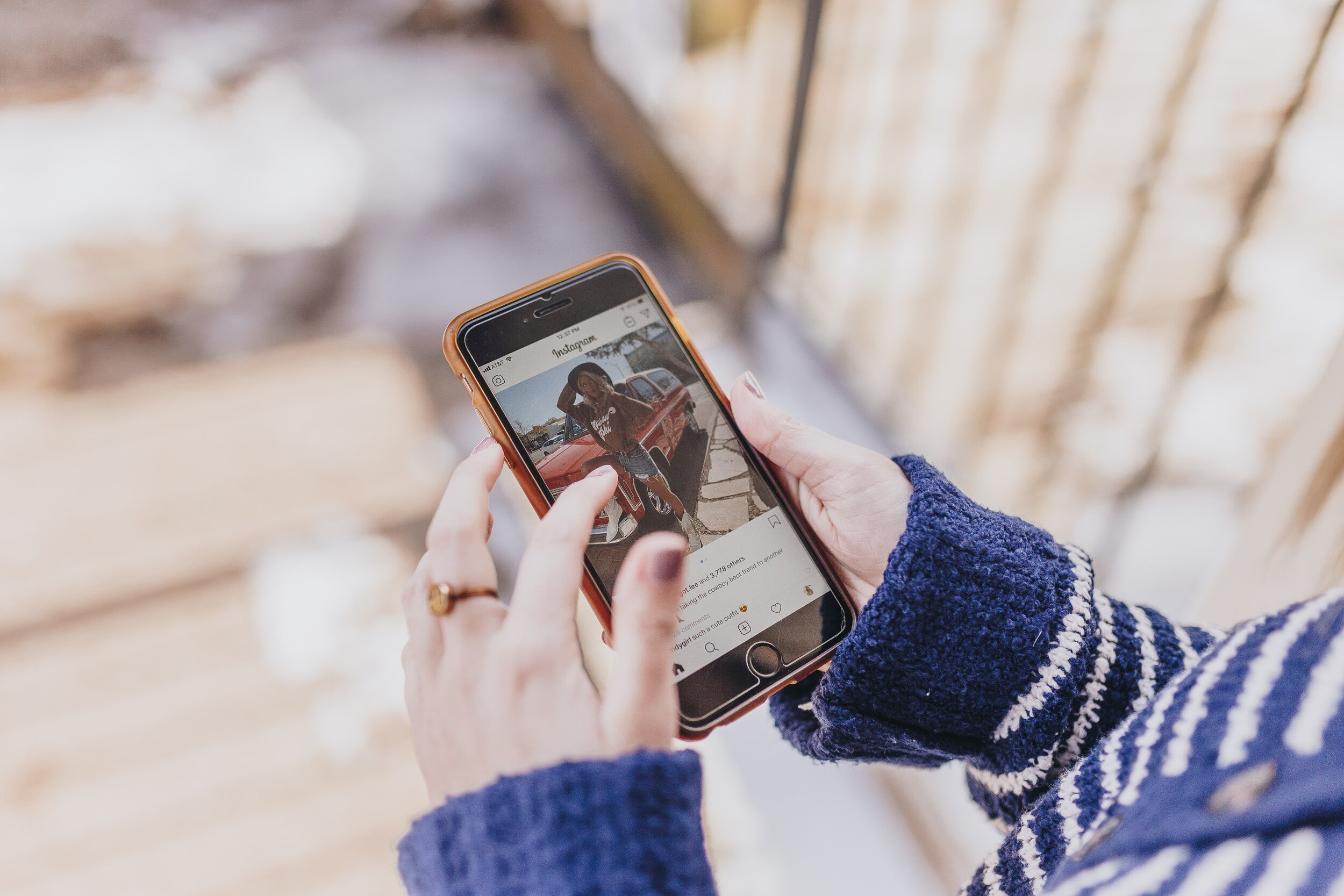
As protestors continue to take to the streets across the country, highlighting ongoing systemic racism, social media is amplifying these messages. Videos and photos depicting police violence toward protestors such as shooting them with rubber bullets, driving cruisers into crowds, and throwing tear gas at protestors can be viewed daily, across social media platforms. According to research, while this imagery shines light on racism and aims to bolster efforts in fighting it, the explosion of content can also cause and reinforce trauma, especially for black people. Trauma and the possibility of symptoms of PTSD can occur due to the accumulation of experiences of racism and discrimination.
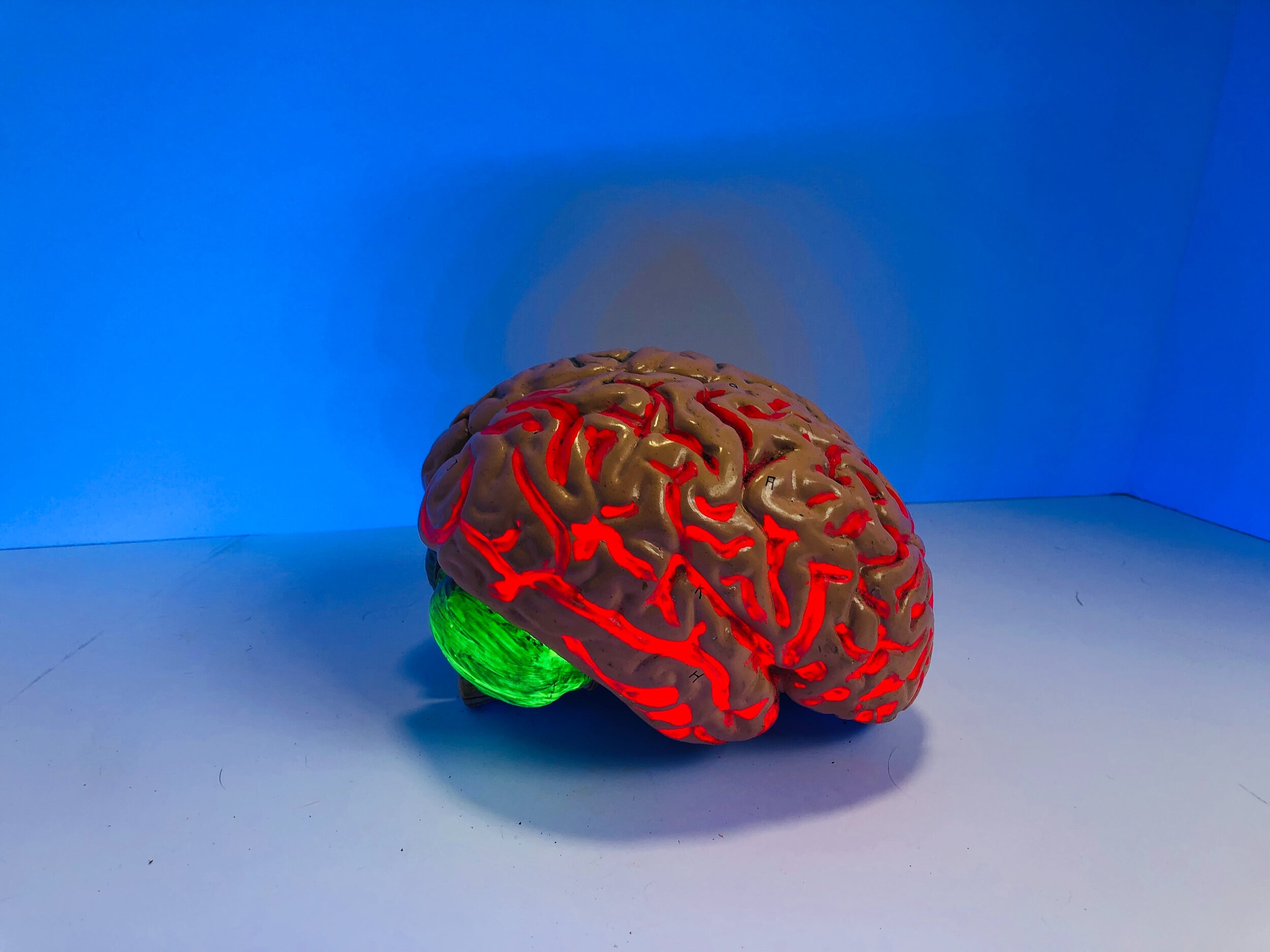
Ongoing media coverage and public outcry among many upsetting incidents across our country have sparked rage, anger, sadness, and action across not only our country, but the world. Conversations around race relations and biases within ourselves and the justice system, against individuals of color have been building and growing. From George Floyd to Breonna Taylor, Michael Brown and other lesser known cases such as the beating of homeless grandmother Marlene Pinnock, psychology is an important topic within the discussion on racial inequality and racial biases in America.

Thinking about expressing emotions to others can bring up feelings of uncertainty and fear. Many of our behaviors, both conscious and unconscious are learned early in life. Thus, if emotions associated with these behaviors were not validated growing up, it can feel overwhelming to try and share them as adults. Additionally, witnessing behaviors and behavioral patterns from important figures in our lives conditions us to develop beliefs about our emotions. For many of us we may have grown up in homes where no one discussed their feelings or in a home where certain feelings were linked to being “bad” or “good”. This can lead to difficulties in understanding how to regulate your emotional experiences. No matter what you may or may not have learned, it’s important to understand your feelings and emotions, including how they manifest in your body. Here are a few things that are important to keep in mind when we think of emotions.

Trauma-triggers often come up in both research and the popular media. The phrase “triggered” can often make others uncomfortable or dredge up negative emotions as it may make others feel they are seen as weak or too sensitive. The common misconception of the use of this phrase negatively impacts those who suffer from Post-traumatic stress and other trauma-related disorders. It’s important to understand the term and the implications this has for those recovering from traumatic events in order to support and validate their experiences.

Research reports that when you practice gratitude you can in fact reduce depression and anxiety by keeping positive thoughts in mind. We all can remember being told to be grateful from early on in our childhood whether it was for receiving a gift or praise of some kind. Unfortunately, these types of statements, though well-intended, often limit emotional space. We start to believe it is not okay to feel angry, sad, or disappointed when there is so much we should be grateful for. We all have developed internal beliefs, over time, that can become harmful if we do not tackle them. So how do you reframe your thoughts about gratitude, you need to identify how they developed in the first place.
Social distancing has become crucial in order to prevent the spread of the new coronavirus. However, this can feel lonely and isolating, especially if you typically are on your own whether in your work life or personal life. For many, connecting via social media has become the new norm. Whether being on your own is something you are used to or not, the differences at present are valid and can take a toll on anyone.

We are always encountering stressful situations and have to determine the best ways to manage these in order to reduce anxiety and fear. As the Coronavirus pandemic continues, it is easy to feel fear and anxiety, amidst a global crisis. There is uncertainty around many things at present however this does not mean that you cannot use strategies to remain in the present and turn your thoughts away from those anxieties to other thoughts as well as ideas around what the future may hold at the end of this experience. There are strategies that can be used to remain in the present moment, pushing forward through anxiety.

Martin Seligman, one of the founding fathers of Positive Psychology, recommends the “Put It In Perspective” exercise to help refocus the brain and reduce anxiety. This practice focuses first on deciding the worst-case scenario, which our brains typically tend to do first, moves to the best-case scenario, and then settles on the most likely scenario. In this way, thoughts move from those that are irrational to those that are rational.
