Stress
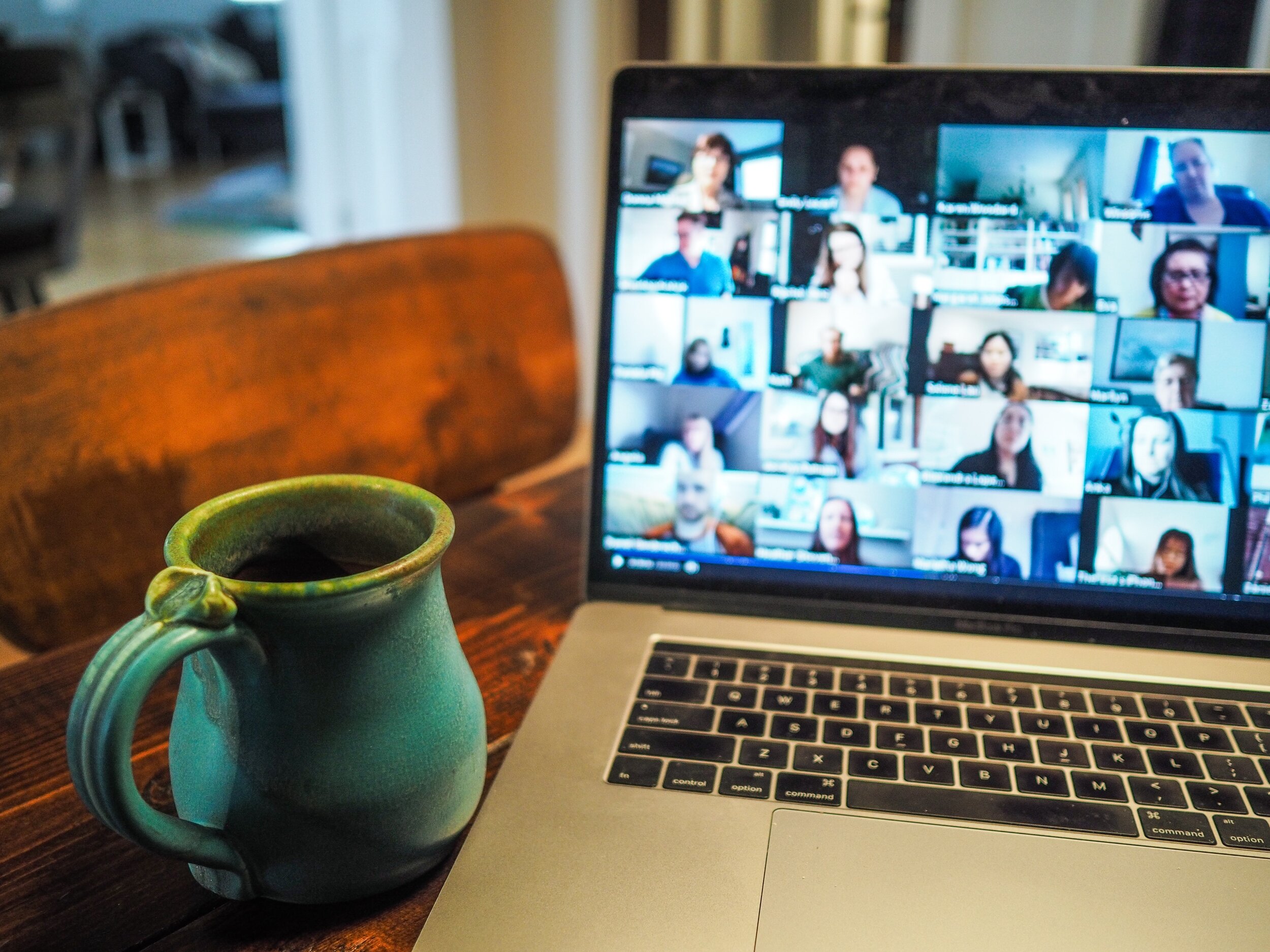
Zoom calls have taken over. A few meetings in the morning, virtual learning, seminars over Zoom, a doctor’s visit over Doxy.me and FaceTime dates with family and friends. As social distancing continues, people move from video platform to video platform throughout the day. The unintended impact of this on mental health may be what’s being referred to as “Zoom fatigue” or the “feeling of tiredness, anxiousness, or worry from one video call to the next”.
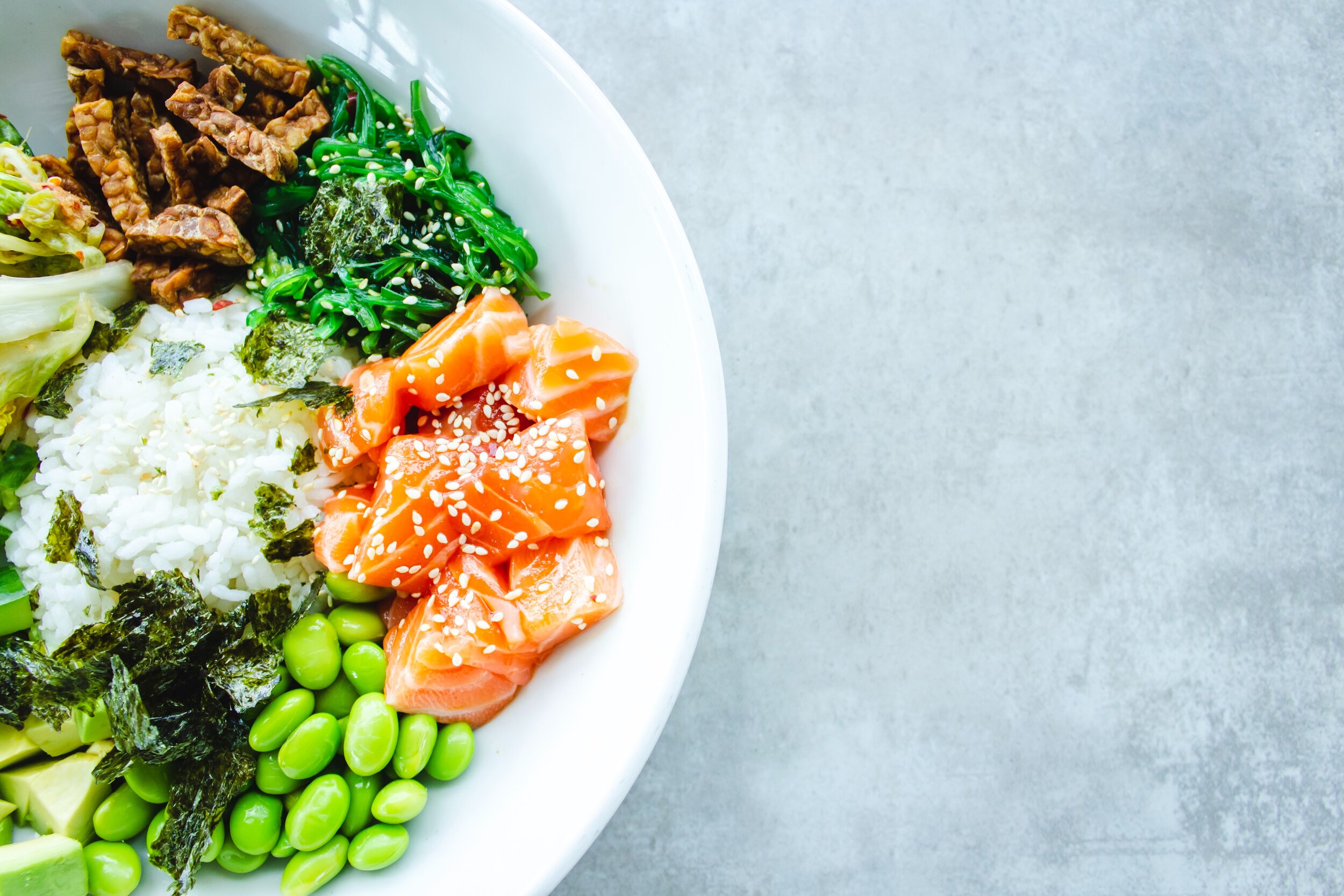
With juggling many responsibilities including work, family, friends, and other responsibilities, it is easy to feel fatigued and overwhelmed. We know practicing self-care is important however at times can be difficult when having so much to do. One of the ways to cope with stress and anxiety is through our diet, via healthy eating. When stressed or anxious we are often consuming a lot of quick, unhealthy foods that only make us feel worse. We often feel these foods make us feel better, however stress-eating has been shown to be an ineffective coping strategy that can actually cause us to feel more anxious, moody and fatigued.
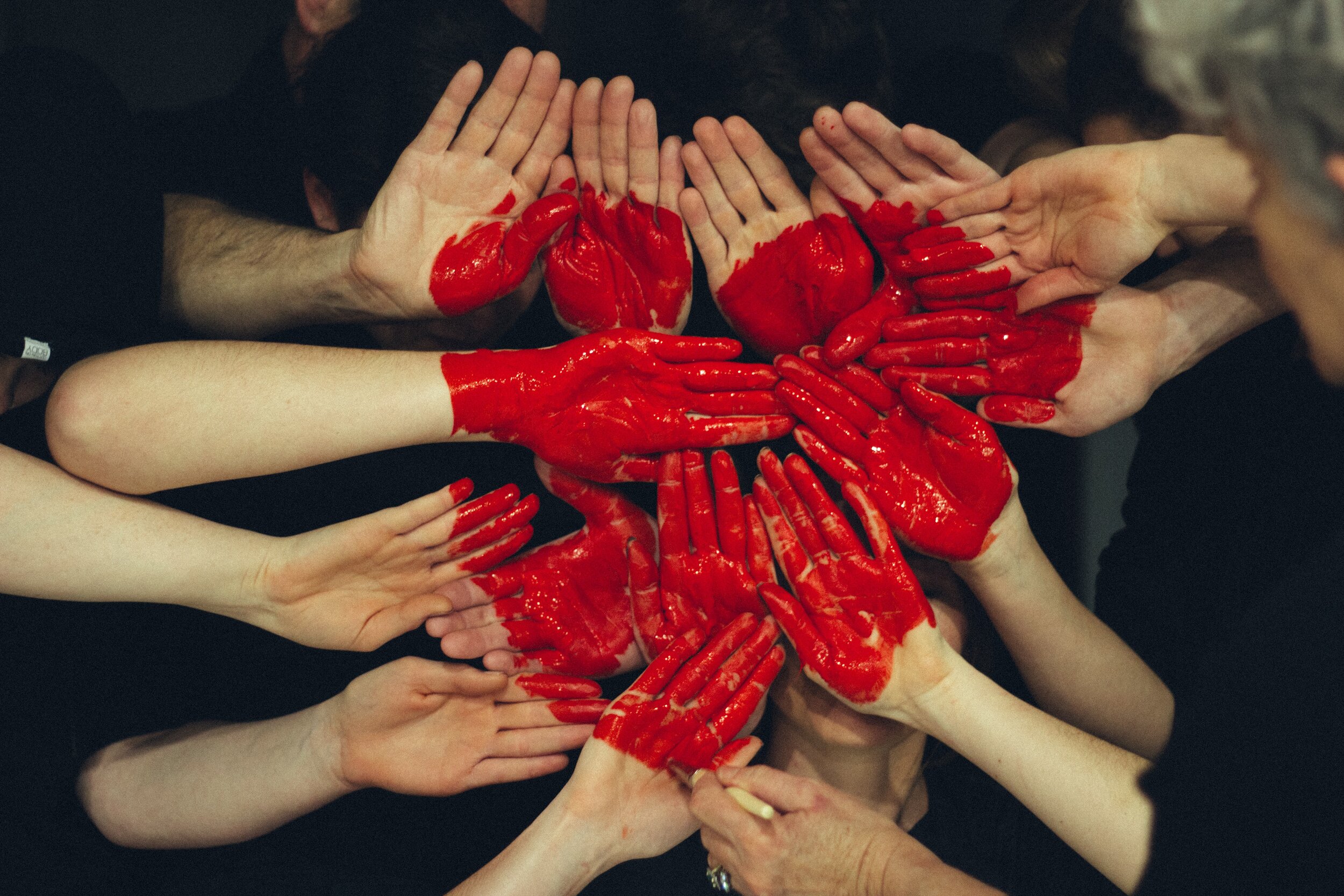
Part of our ability to problem-solve and identify coping strategies in the moment, is the ability to analyze feelings in the moment and rethink negative thoughts. However, this isn’t as easy as it sounds. When experiencing negative thoughts and emotions, we often need the help from others, our support network, to cope. Have stable people in our support networks is crucial for our overall mental health.
Caring for your mental health is as important as caring for your physical health however emotional well-being is often overlooked in the workplace. It’s a challenge to manage work-related stress while also taking care of oneself. Mindfulness is one way to prioritize our mental health while reducing work-related stress.
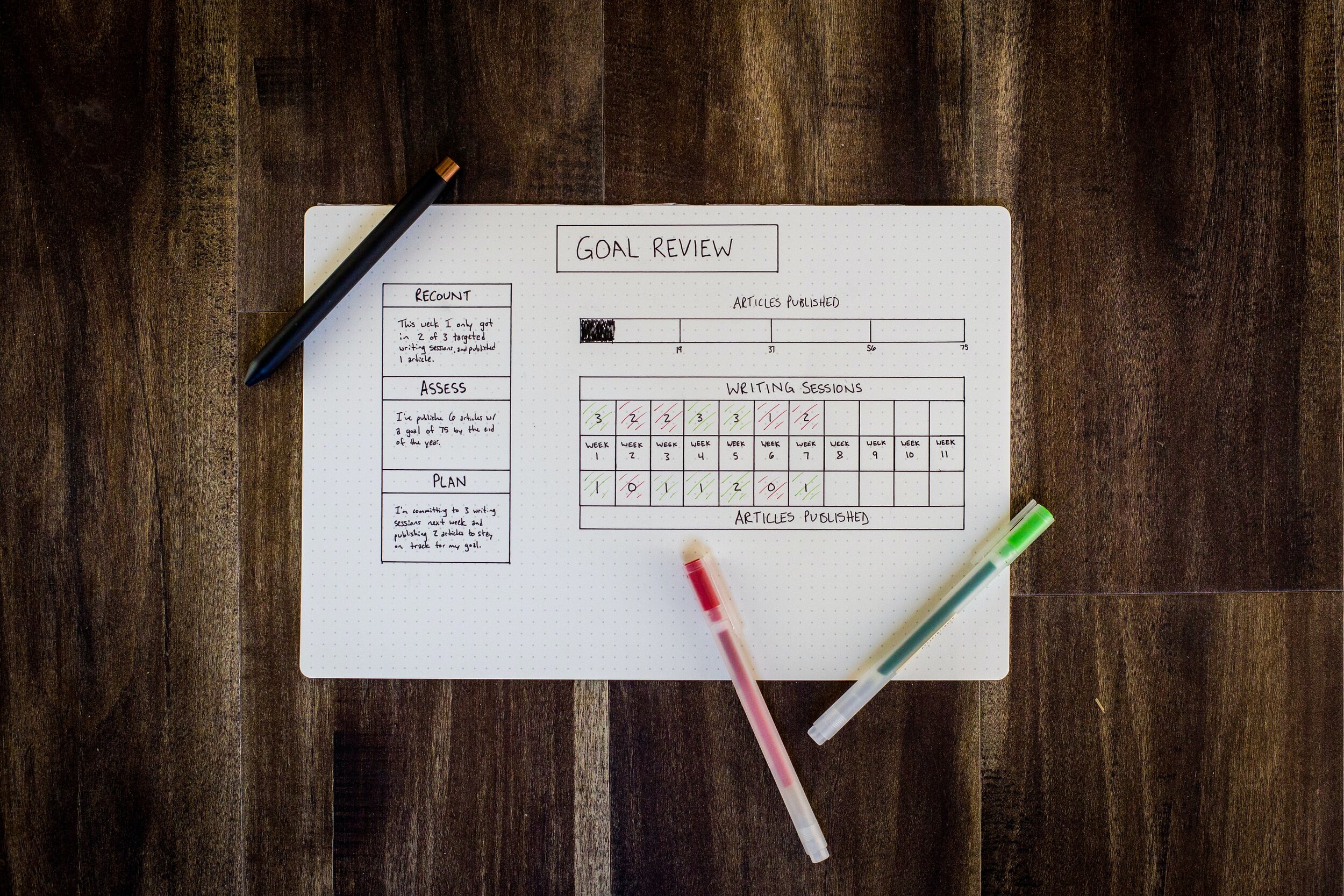
We are always changing, and our lives are always evolving. Whether on a small or large scale we are constantly facing various stressors, challenges, different viewpoints and other situations that enact change. Some change occurs because we choose it, or we have some control over it, other times this change is out of our control. How does change impact our goals if we are ever-changing? Settings goals often serves as a motivator, it contributes to our emotional and physical health and allows us to find a sense of purpose. However, we often struggle to keep consistent with the goals we set. It’s so hard to predict what the future holds for each of us, and how our plans might need to shift or can be impacted by potential challenges in the future. While this feels like a lot to take on and consider, one solution to this concern is: goal adjustment..
With so much content across social media around the pandemic and ongoing protests as well as outcries amongst systemic racism and police brutality, it’s important to understand the impact this has on one another and how this may exacerbate ongoing trauma responses.
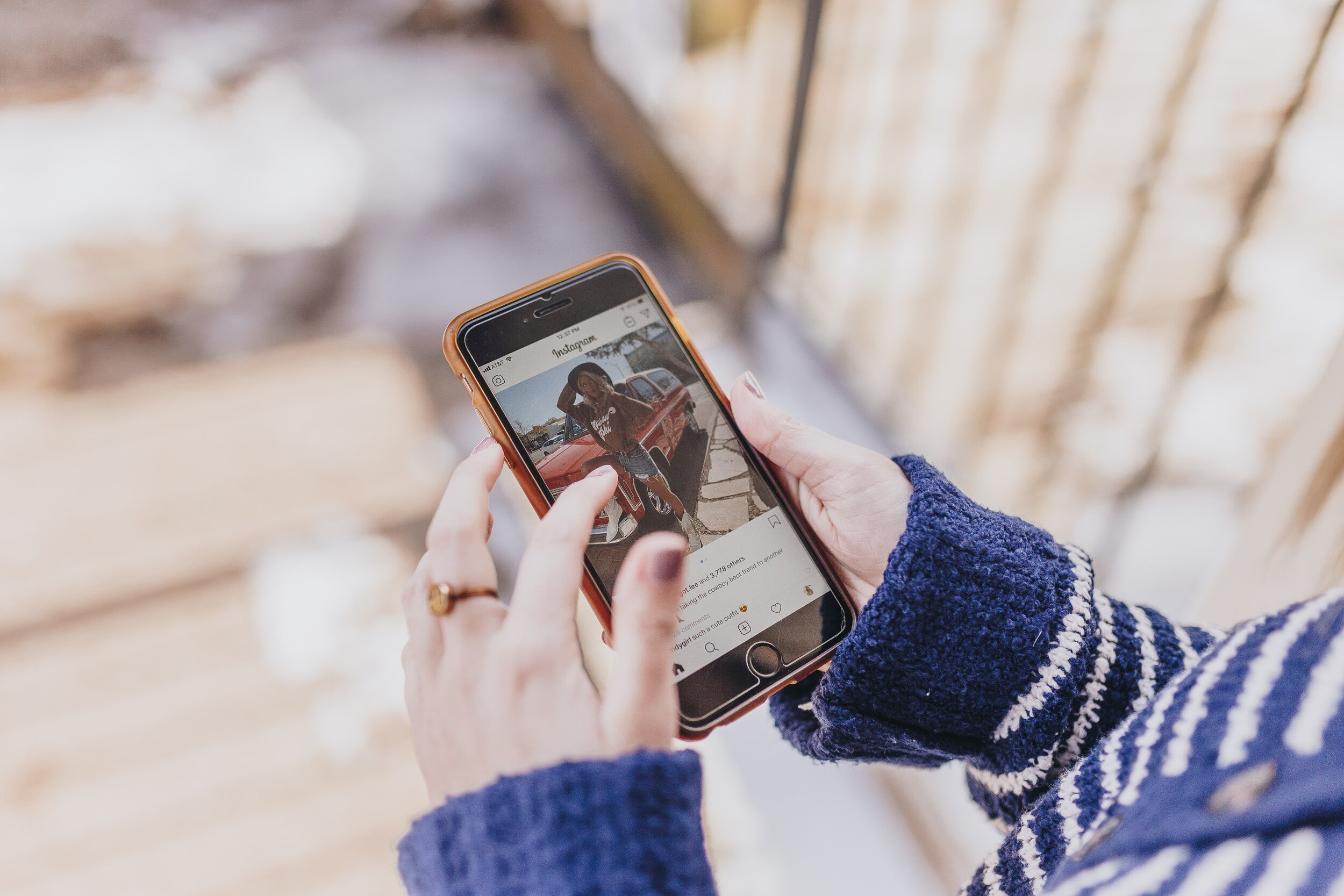
As protestors continue to take to the streets across the country, highlighting ongoing systemic racism, social media is amplifying these messages. Videos and photos depicting police violence toward protestors such as shooting them with rubber bullets, driving cruisers into crowds, and throwing tear gas at protestors can be viewed daily, across social media platforms. According to research, while this imagery shines light on racism and aims to bolster efforts in fighting it, the explosion of content can also cause and reinforce trauma, especially for black people. Trauma and the possibility of symptoms of PTSD can occur due to the accumulation of experiences of racism and discrimination.
It is reported that 20% of Black Americans are more likely to report symptoms of psychological distress than their white counterparts (MHA, 2020). Black teenagers are also more likely to attempt suicide than their white counterparts, and Black Americans are more likely to be victims of serious violent crimes than white Americans – thus leading to symptoms fulfilling criteria for Posttraumatic Stress Disorder (PTSD) (MHA, 2020). Racialized trauma plays a large role in these astounding numbers and the ongoing cycle of violence so many experience.
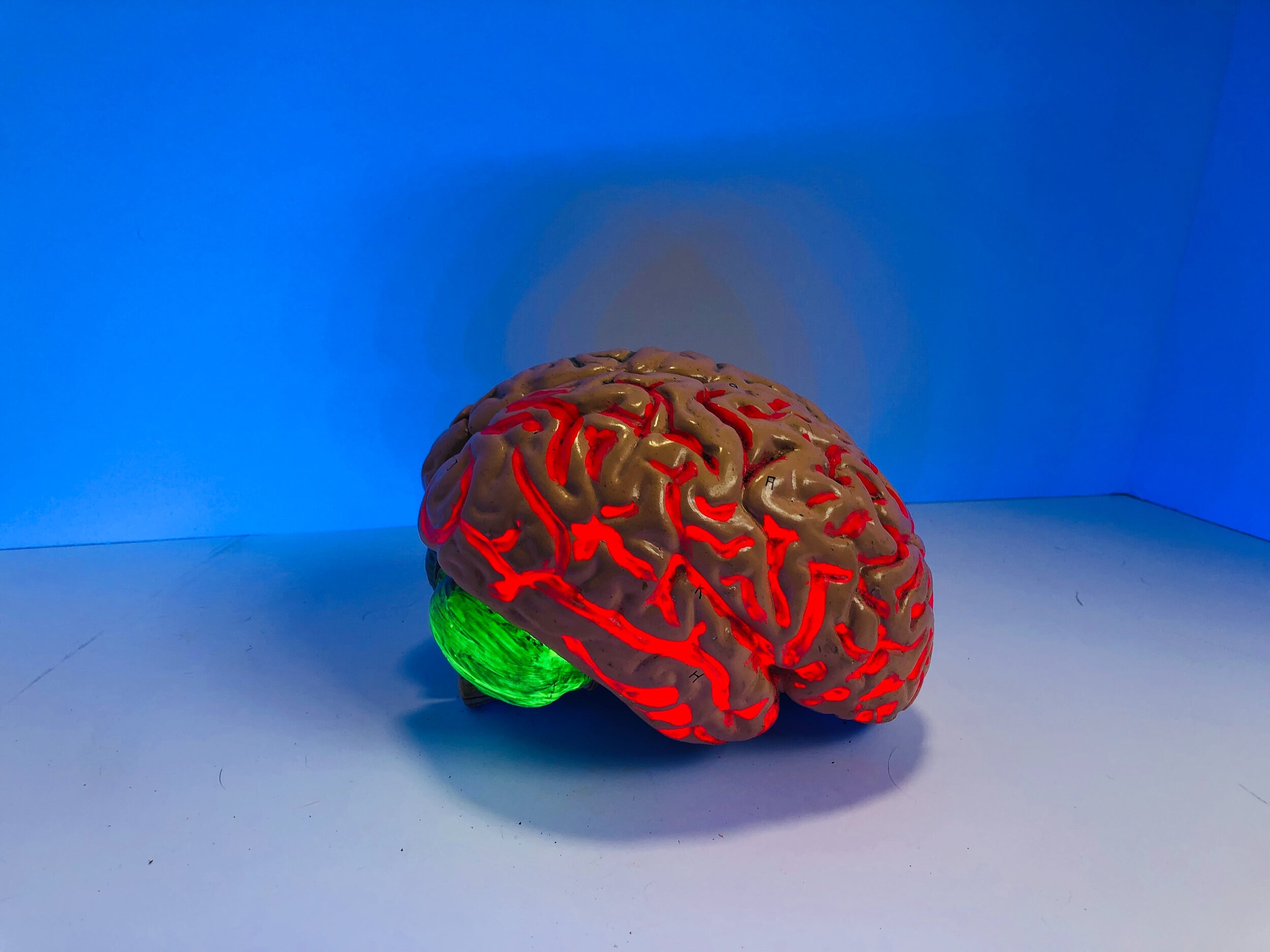
Ongoing media coverage and public outcry among many upsetting incidents across our country have sparked rage, anger, sadness, and action across not only our country, but the world. Conversations around race relations and biases within ourselves and the justice system, against individuals of color have been building and growing. From George Floyd to Breonna Taylor, Michael Brown and other lesser known cases such as the beating of homeless grandmother Marlene Pinnock, psychology is an important topic within the discussion on racial inequality and racial biases in America.
One of the best ways to reduce anxiety is using a tool all of us have in our tool belts of skills all of the time: breathing. However, while breathing is something we all do, every day, there are certain types of breathing that help reduce anxiety and the more you practice them, the easier it is to use in difficult moments. Diaphragmatic breathing is one technique that can be beneficial for reducing anxiety.
