THE BLOG
Being in a relationship with someone who has a trauma history can be uniquely challenging at times. In many cases, individuals who experience trauma may behave in ways that are hard for their partner to understand. They may experience panic attacks, express distrust, escalate quickly to anger, or become disengaged. As trauma can interrupt emotional processing, those who have experienced trauma often struggle to articulate what is really going on inside of them. This can cause conflict and miscommunication, and it can make it difficult for well-intended partners to know what kind of support to provide. If this sounds a bit like your experience, not to fear! There are ways to become a trauma-informed and compassionate partner while also maintaining your own boundaries and safety within your relationship.
Often when we think of Valentine’s Day we think about hearts, love, gifts, and planning. For many who struggle with anxiety or worry thoughts, Valentine’s Day can be full of worries around disappointing someone else. Worries around being alone and your future relationships can also come to mind if you do not have a partner. For those struggling with depression, cynical thoughts around the unworthiness of finding love, cynical thoughts around the commercialization of the holiday, or hopelessness around finding a partner may occur. With so many thoughts like these, it is likely that Valentine’s Day can be difficult for many!
Whether you’re in a relationship or not, focusing on self-love and kindness is crucial in order to support and love others as well. Often when we are single during Valentine’s Day we can feel frustrated with extravagant gifts, or feeling we have to buy presents. While we may have varying opinions on Valentine’s Day, we know it’s celebrated so why not take advantage of it and celebrate you?


Many clinicians and clients alike tout the positive aspects of journaling. When working towards a personal goal, managing emotional wellbeing, or looking for a creative outlet, journaling can be an excellent coping mechanism. Journaling is a simple, and extremely effective coping mechanism yet it is largely underutilized.
Therapist Favorites
Explore a curated selection of blog posts recommended by our therapists, designed to provide valuable insights, practical tips, and expert advice on a variety of mental health topics.
MEET OUR THERAPISTS

What is anxiety? Emotionally, anxiety is a state of inner turmoil often marked by intense worry, fear, orunease. It can show up as racing thoughts, dread about the future, or a constant feelingthat something bad might happen—even if there’s no obvious reason. Physically, anxiety activates the body’s stress response. It can manifest physically in arapid […]
Strange title, right? Everybody knows how to breathe! However, there may be more to breathing than we may realize. Everybody has gone through moments of nervousness and worry, be it when taking a test, thinking about the next sports game, or even choosing a gift for someone you care about. When feeling anxious or generally […]
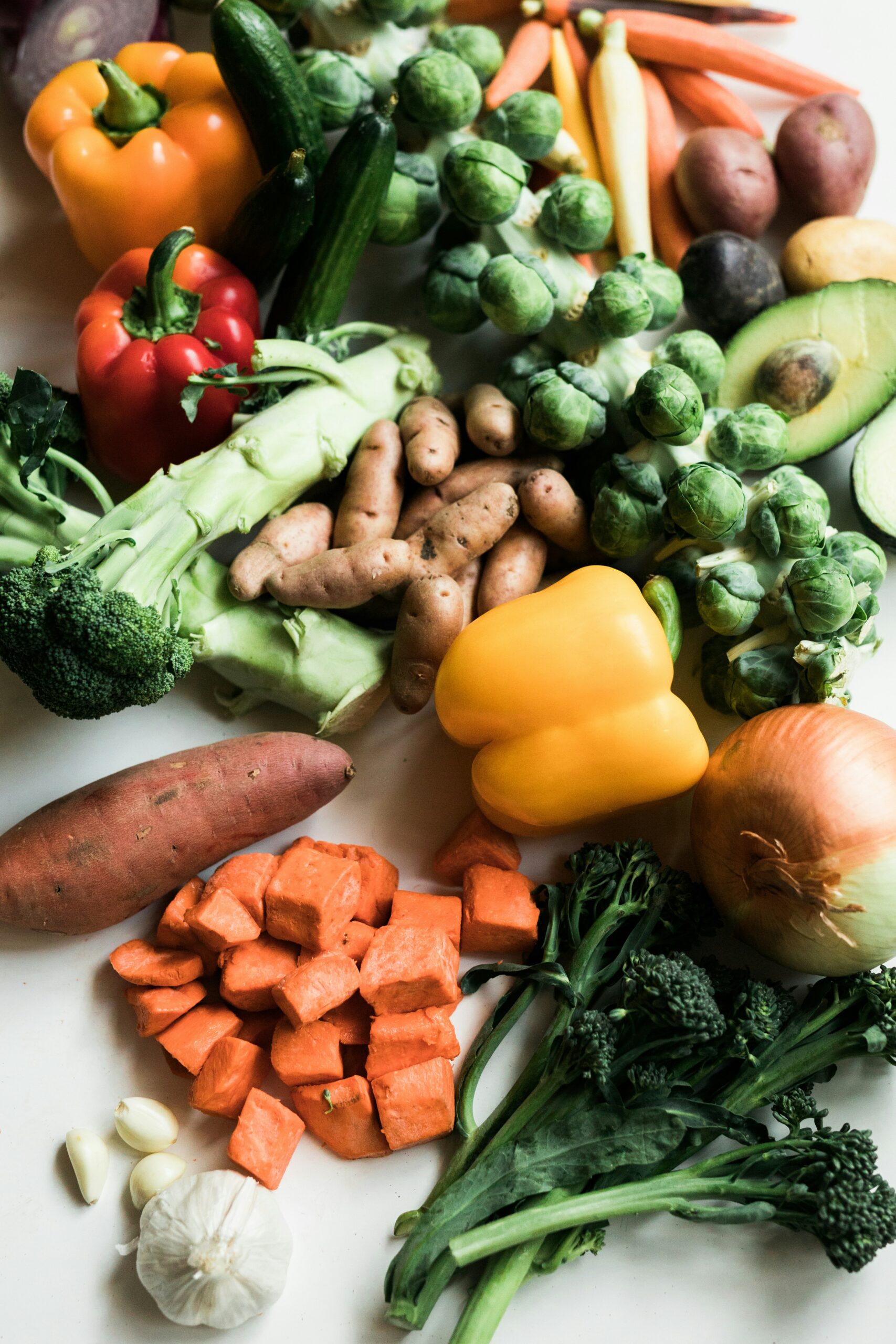
When we think of having a healthy diet, we naturally think of how this will impact our body. What we often overlook is how our diet impacts our mental health. Research continues to support this idea that our very diet can leave us more susceptible to negative moods and even our overall mental health (Firth […]
All Recent Posts
As holiday stress and all the other stressors courtesy of 2020 begin to lessen, it’s time to look forward into the new year. If you’re managing symptoms of depression or anxiety in the new year, we’ve come up with a few new strategies for you to implement into your 2021 plan to help you start feeling better.
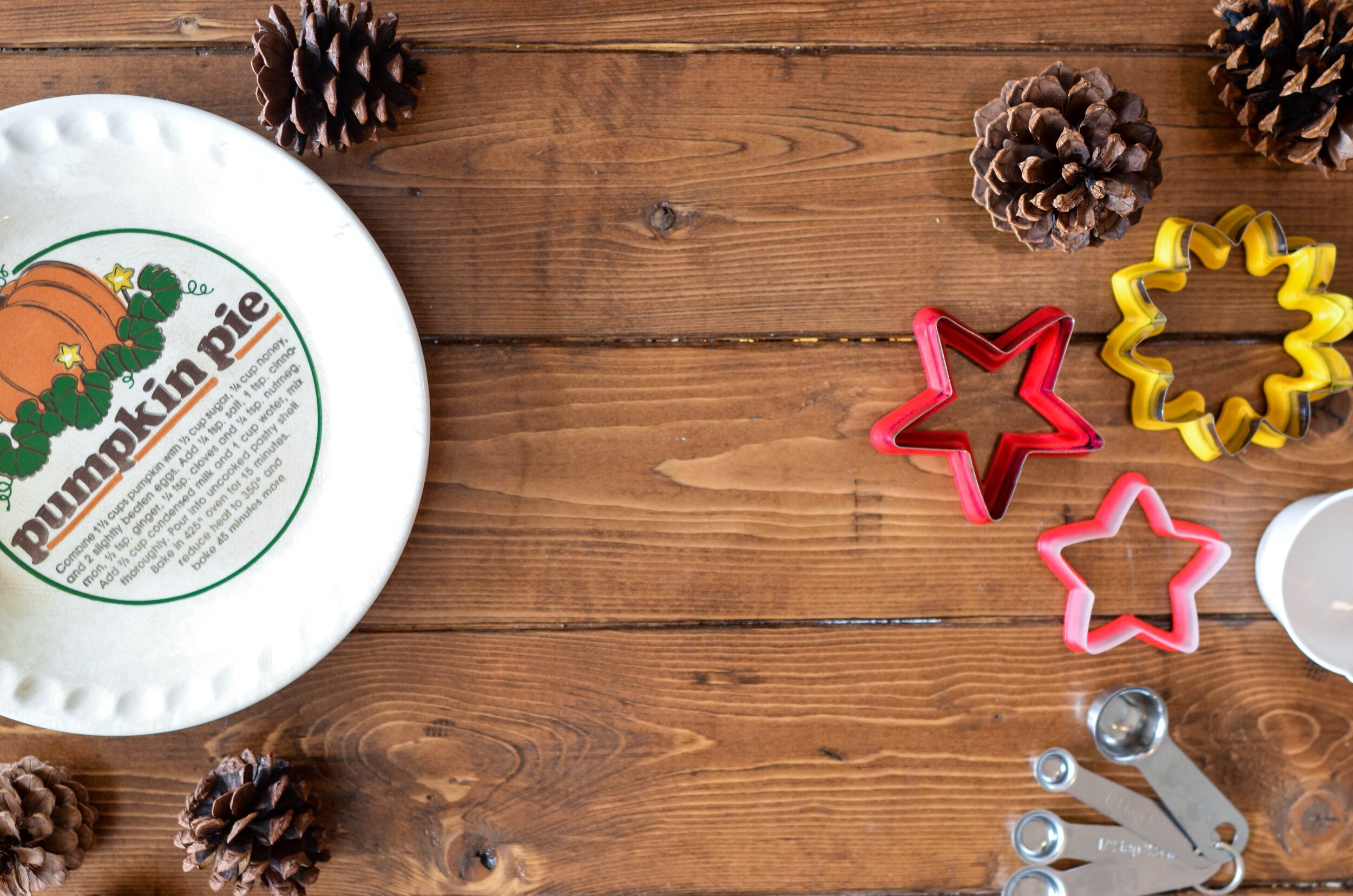
As we end Halloween and approach Thanksgiving, thoughts of other winter holidays also begin to come up. Planning for all of these holidays and events can bring about panic, anxiety, stress, and a feeling of all the things we “have to” do. These “have to’s” such as cooking, decorating, buying gifts, getting together with others, etc. are the “have to’s” many of us face throughout the holiday season. With so many things to do, these “have to’s” can take a toll on our well-being. But do we really have to do all of these “have to’s”? Not necessarily. There are ways to make sure you find a balance between what you want to do, and what you have to do this holiday season.
What is anxiety? Emotionally, anxiety is a state of inner turmoil often marked by intense worry, fear, orunease. It can show up as racing thoughts, dread about the future, or a constant feelingthat something bad might happen—even if there’s no obvious reason. Physically, anxiety activates the body’s stress response. It can manifest physically in arapid […]
Strange title, right? Everybody knows how to breathe! However, there may be more to breathing than we may realize. Everybody has gone through moments of nervousness and worry, be it when taking a test, thinking about the next sports game, or even choosing a gift for someone you care about. When feeling anxious or generally […]
When we think of having a healthy diet, we naturally think of how this will impact our body. What we often overlook is how our diet impacts our mental health. Research continues to support this idea that our very diet can leave us more susceptible to negative moods and even our overall mental health (Firth […]
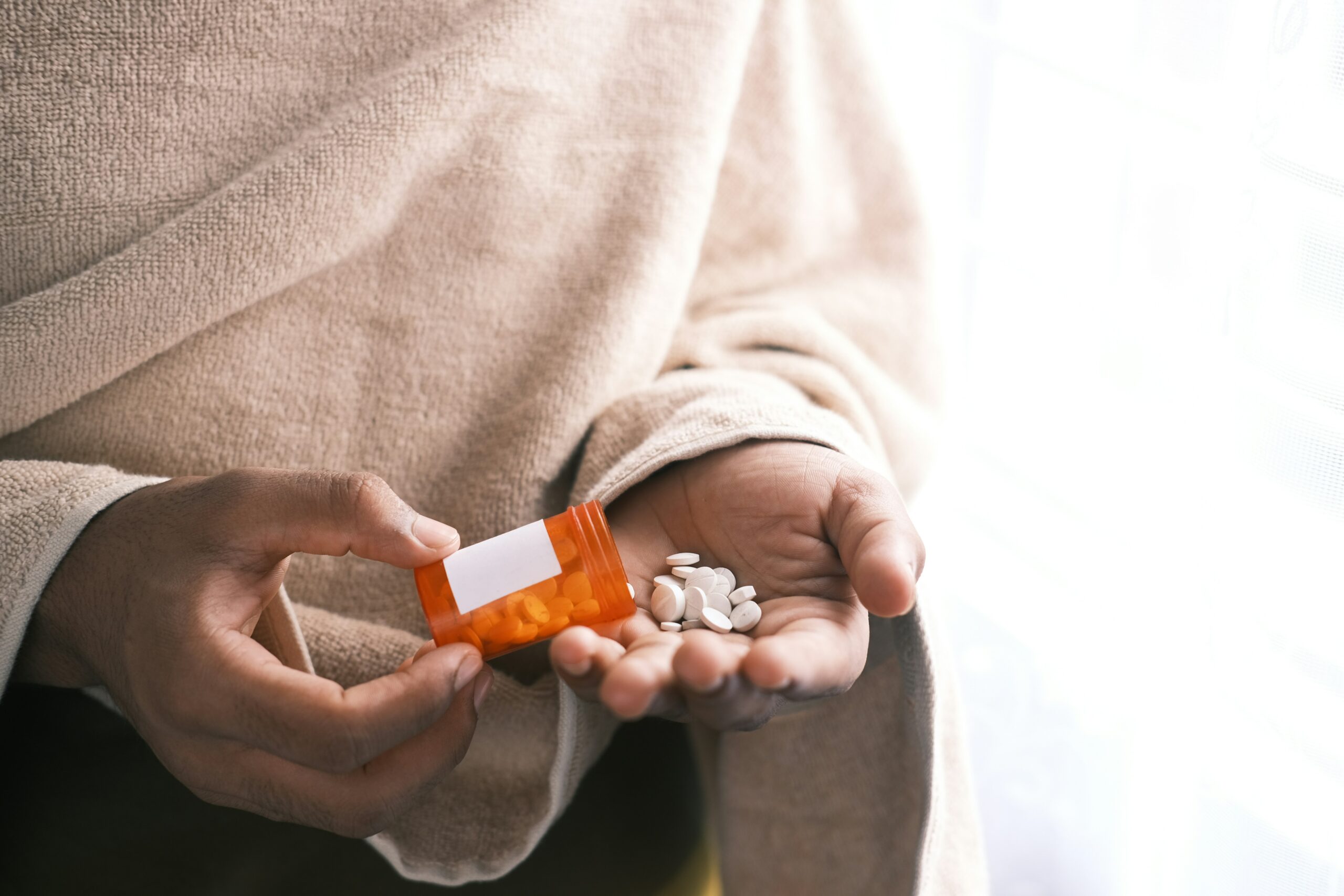
It is never an easy process to acknowledge that we may be struggling. Oftentimes in our struggles, we may seek quick relief. Substances are a popular choice for finding this quick relief. Unfortunately, some may fall victim to the dark side of substances and face addiction. When we think of addiction in general, substances are […]
As we end Halloween and approach Thanksgiving, thoughts of other winter holidays also begin to come up. Planning for all of these holidays and events can bring about panic, anxiety, stress, and a feeling of all the things we “have to” do. These “have to’s” such as cooking, decorating, buying gifts, getting together with others, etc. are the “have to’s” many of us face throughout the holiday season. With so many things to do, these “have to’s” can take a toll on our well-being. But do we really have to do all of these “have to’s”? Not necessarily. There are ways to make sure you find a balance between what you want to do, and what you have to do this holiday season.
LOOKING FOR MORE ON
LOOKING FOR MORE ON
As Thanksgiving approaches, the focus on gratitude and being thankful for others comes to mind. The research on understanding the impact of gratitude on health and relationships has also expanded over the last several years. Expressing gratitude on a consistent basis has been shown to positively impact important areas in one’s life including emotional wellbeing, physical health, and connectedness in relationships.
LOOKING FOR MORE ON
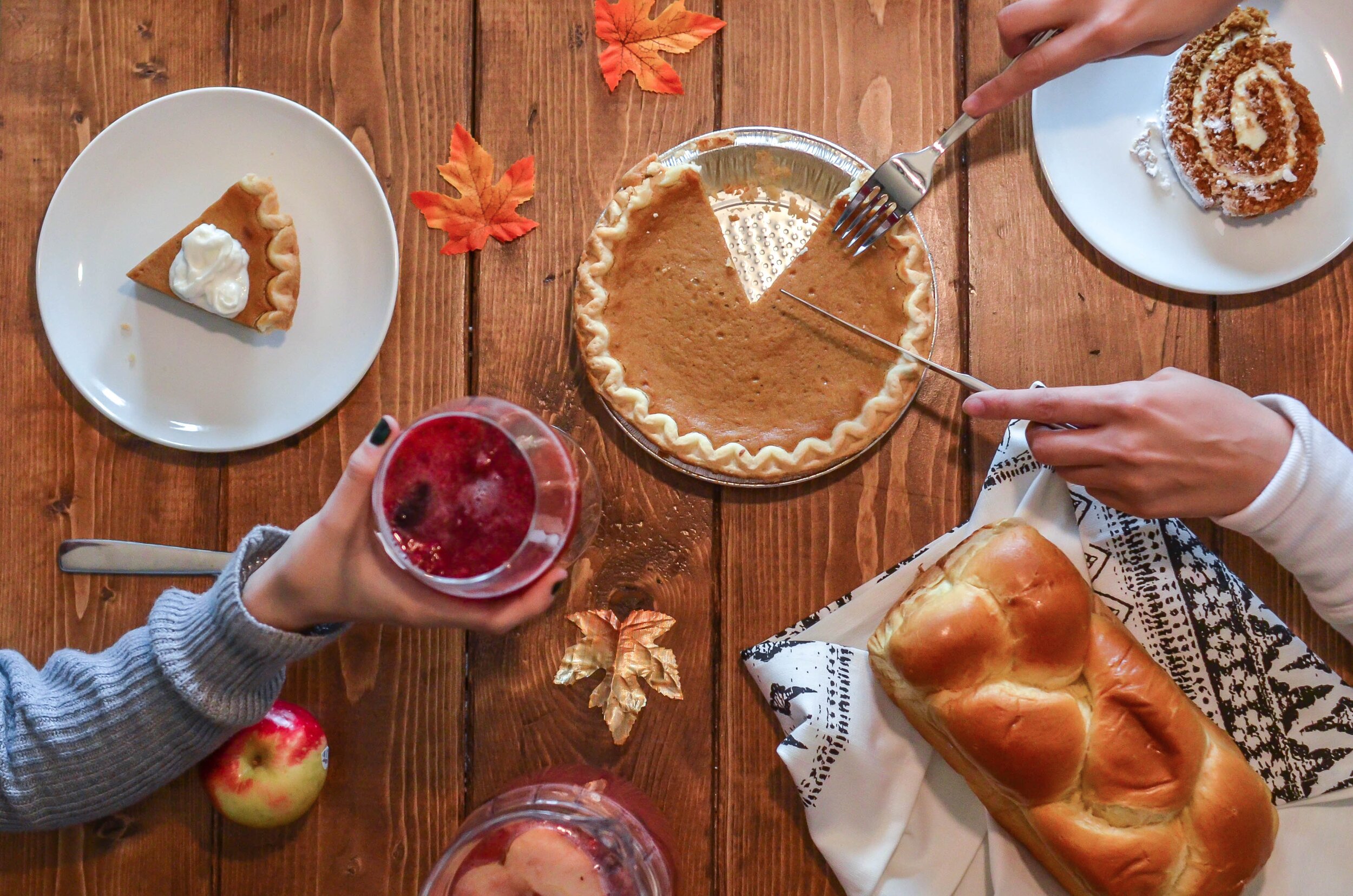
Often we may feel we have to brave through stress and worry, and that this is the only way to tackle the holiday: by grinning and bearing it. While this may seem like the best option in the short-term, when you add up the holidays each year and multiple by the many years you may manage holiday stress, this can seem overwhelming. The holidays are not a mental health sprint, but a marathon thus why not strategize on how to make the most of the holidays. Read below for some tips and tricks to manage stress during the holiday season.
Whether you’re new to therapy or continuing your journey, Modern Therapy is here to provide the support you need. We offer flexible, convenient, and accessible care tailored to your unique needs. Reach out to us today, and let’s take the first step together toward a brighter, healthier future.
YOU don't have to navigate it alone


