THE BLOG
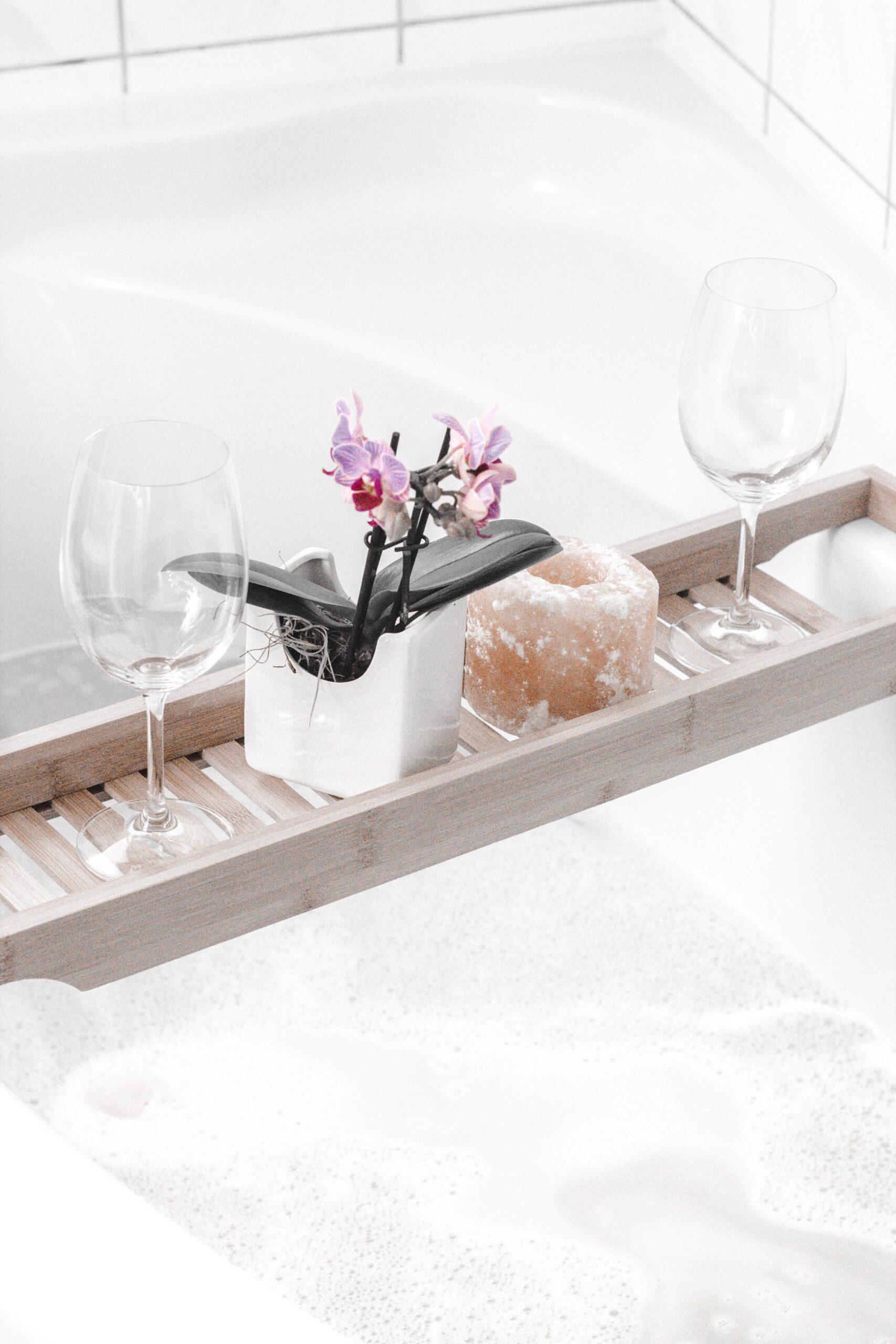
We know we all need to engage in self-care. It makes us feel good, it helps us destress, and we know that there are long-term benefits for our mental and physical health. However, in difficult moments, it’s often difficult for our brains to remember all the self-care activities we know as our nervous systems take over and attempt to fight or flee. Thus, developing a self-care toolkit for any moment can be helpful. By having these on hand, you can use them anytime you feel stress or need something to help you regroup.
Starting your day off focused on things you enjoy, and what you want to achieve, can reduce the stress that can sometimes occur first thing. Aim to spend a few moments each morning focused on what you want your day to look like. Imagining a positive outcome can assist in this actually occurring. So aim to start your day considering what you are looking forward to and practicing self-care first thing.
Most of us are familiar with the groans that accompany waking up for that 6 AM workout or hustling to get in some cardio on a lunch break. Not necessarily the rush (of endorphins) we’re seeking, right? Nevertheless, we all know that exercise is beneficial towards physical and emotional well-being, and the research backs it up. Mammen and Faulkner (2013) found that there is a relationship between consistently exercising and overall improvements in mental health functioning. They discussed that when you exercise, the neurotransmitters released boost your mood. So, even when feeling down, a workout can help lift you up!

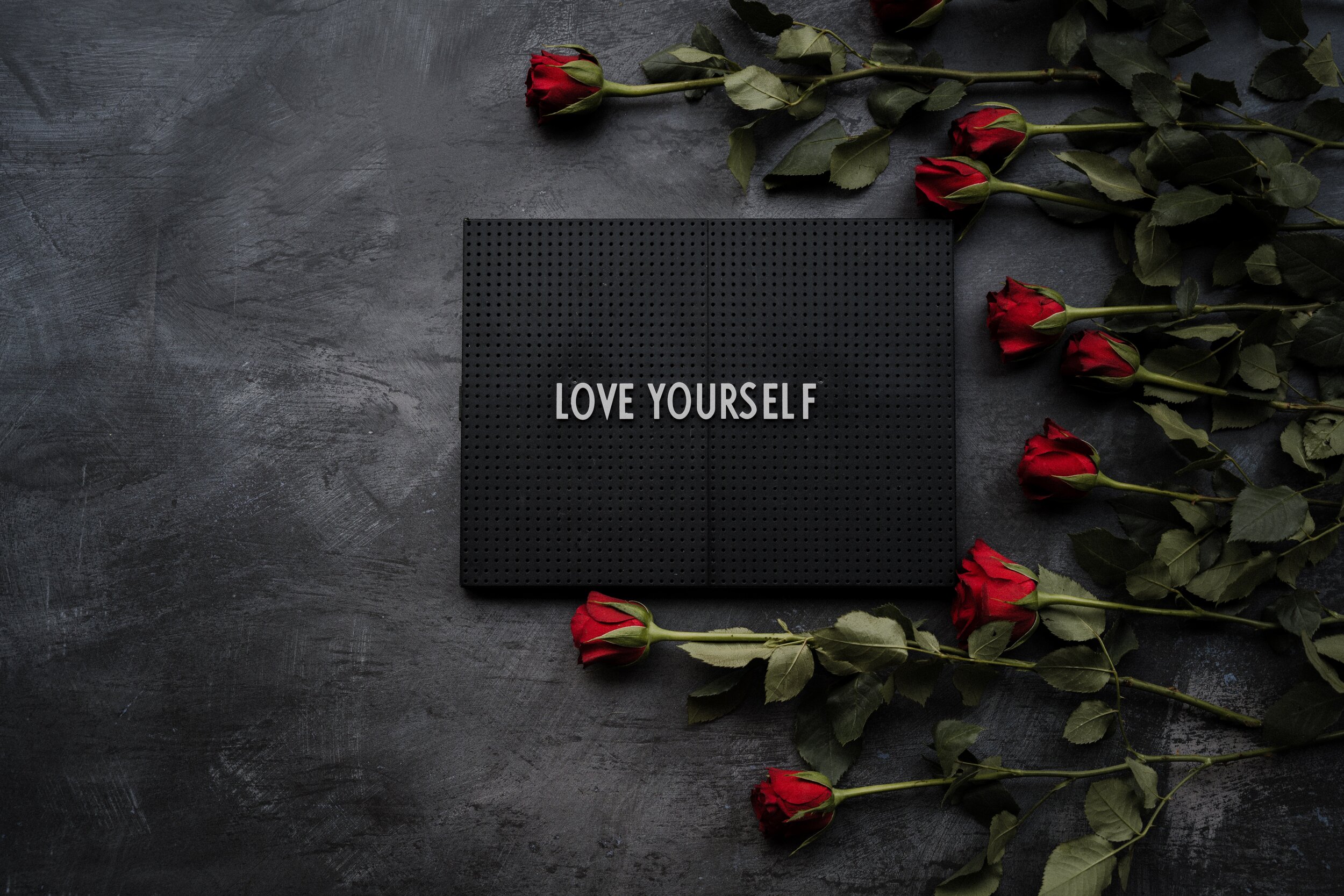
Our relationship with ourselves is often at the core of other challenges such as anxiety, depression, low self-esteem, or difficulties in relationships. How do we shift to seeing ourselves and treating ourselves the same way we treat others? If we can learn to be our own friends and practice self-compassion, we can boost our spirits and alleviate some of the struggles leading to that increased critical voice.
Therapist Favorites
Explore a curated selection of blog posts recommended by our therapists, designed to provide valuable insights, practical tips, and expert advice on a variety of mental health topics.
MEET OUR THERAPISTS

What is anxiety? Emotionally, anxiety is a state of inner turmoil often marked by intense worry, fear, orunease. It can show up as racing thoughts, dread about the future, or a constant feelingthat something bad might happen—even if there’s no obvious reason. Physically, anxiety activates the body’s stress response. It can manifest physically in arapid […]
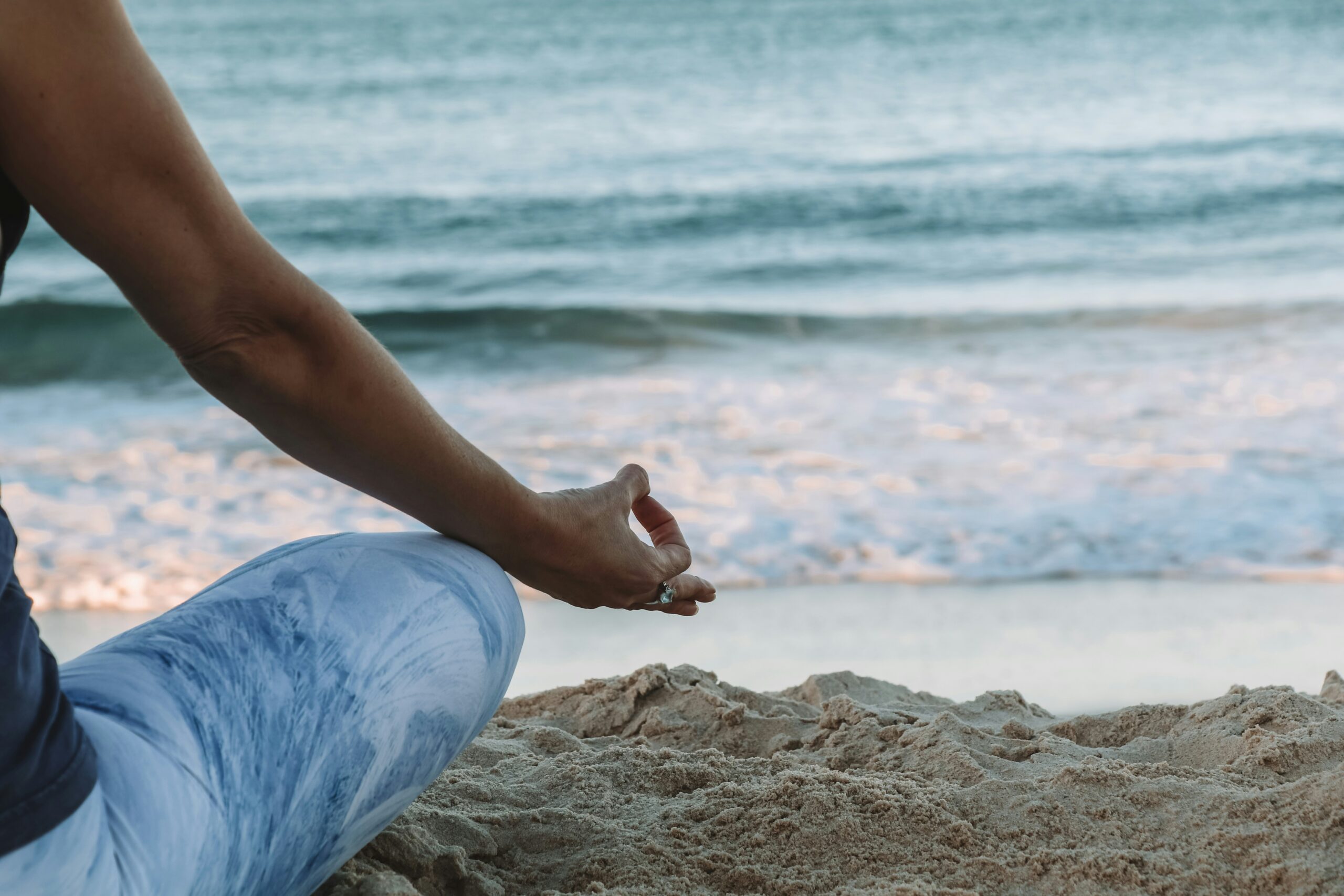
Strange title, right? Everybody knows how to breathe! However, there may be more to breathing than we may realize. Everybody has gone through moments of nervousness and worry, be it when taking a test, thinking about the next sports game, or even choosing a gift for someone you care about. When feeling anxious or generally […]

When we think of having a healthy diet, we naturally think of how this will impact our body. What we often overlook is how our diet impacts our mental health. Research continues to support this idea that our very diet can leave us more susceptible to negative moods and even our overall mental health (Firth […]
All Recent Posts

Whether you’re in a relationship or not, focusing on self-love and kindness is crucial in order to support and love others as well. Often when we are single during Valentine’s Day we can feel frustrated with extravagant gifts, or feeling we have to buy presents. While we may have varying opinions on Valentine’s Day, we know it’s celebrated so why not take advantage of it and celebrate you?

Many clinicians and clients alike tout the positive aspects of journaling. When working towards a personal goal, managing emotional wellbeing, or looking for a creative outlet, journaling can be an excellent coping mechanism. Journaling is a simple, and extremely effective coping mechanism yet it is largely underutilized.
What is anxiety? Emotionally, anxiety is a state of inner turmoil often marked by intense worry, fear, orunease. It can show up as racing thoughts, dread about the future, or a constant feelingthat something bad might happen—even if there’s no obvious reason. Physically, anxiety activates the body’s stress response. It can manifest physically in arapid […]
Strange title, right? Everybody knows how to breathe! However, there may be more to breathing than we may realize. Everybody has gone through moments of nervousness and worry, be it when taking a test, thinking about the next sports game, or even choosing a gift for someone you care about. When feeling anxious or generally […]
When we think of having a healthy diet, we naturally think of how this will impact our body. What we often overlook is how our diet impacts our mental health. Research continues to support this idea that our very diet can leave us more susceptible to negative moods and even our overall mental health (Firth […]

It is never an easy process to acknowledge that we may be struggling. Oftentimes in our struggles, we may seek quick relief. Substances are a popular choice for finding this quick relief. Unfortunately, some may fall victim to the dark side of substances and face addiction. When we think of addiction in general, substances are […]
Many clinicians and clients alike tout the positive aspects of journaling. When working towards a personal goal, managing emotional wellbeing, or looking for a creative outlet, journaling can be an excellent coping mechanism. Journaling is a simple, and extremely effective coping mechanism yet it is largely underutilized.
LOOKING FOR MORE ON

LOOKING FOR MORE ON
While many of us cannot wait for 2020 to end and feel 2021 will be better no matter what, there may still be some individual resolutions we can all consider, not only for our physical health but our mental health as well. Research has shown that there are certain strategies that improve mood and reduce the risk for mental health concerns. The ten strategies below are simple resolutions you might consider that can have a big impact on your well-being as we ring in 2021.
LOOKING FOR MORE ON
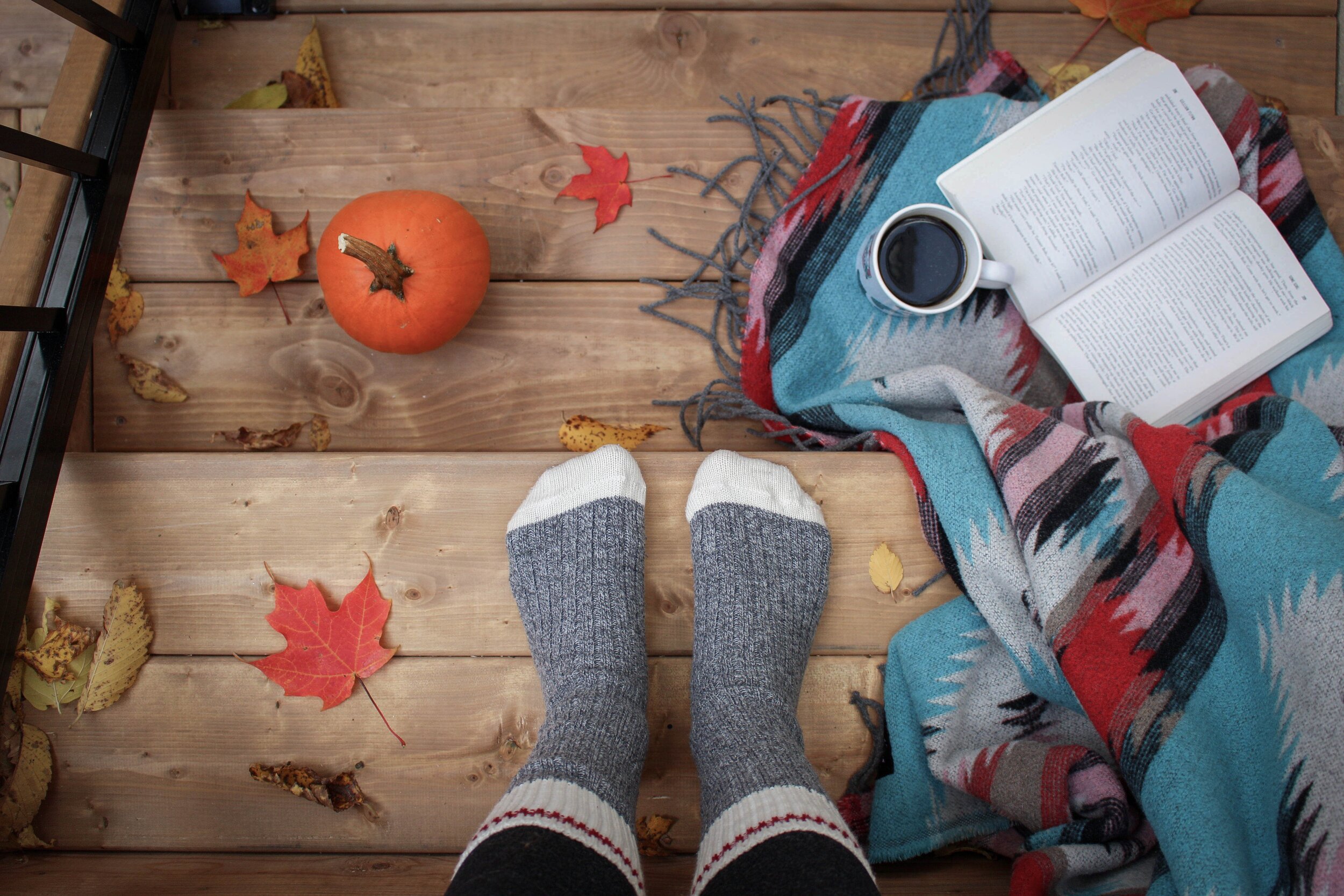
As autumn approaches, the colder weather, shorter days, and busier schedules leave us feeling as though we have less time to accomplish what we want. Additionally, the holidays come closer with the many tasks to prepare as well. Stress comes with the changes the fall brings; it is a natural part of life to experience stress, however we can engage in activities to relieve that to some extent. Self-care can help us reduce the effects stress may have on ourselves. Without self-care, stress builds leaving us overwhelmed, fatigued, down, and physically sick. Self-care is any activity that is healthy and supports emotional, physical, and spiritual well-being.
Whether you’re new to therapy or continuing your journey, Modern Therapy is here to provide the support you need. We offer flexible, convenient, and accessible care tailored to your unique needs. Reach out to us today, and let’s take the first step together toward a brighter, healthier future.
YOU don't have to navigate it alone


