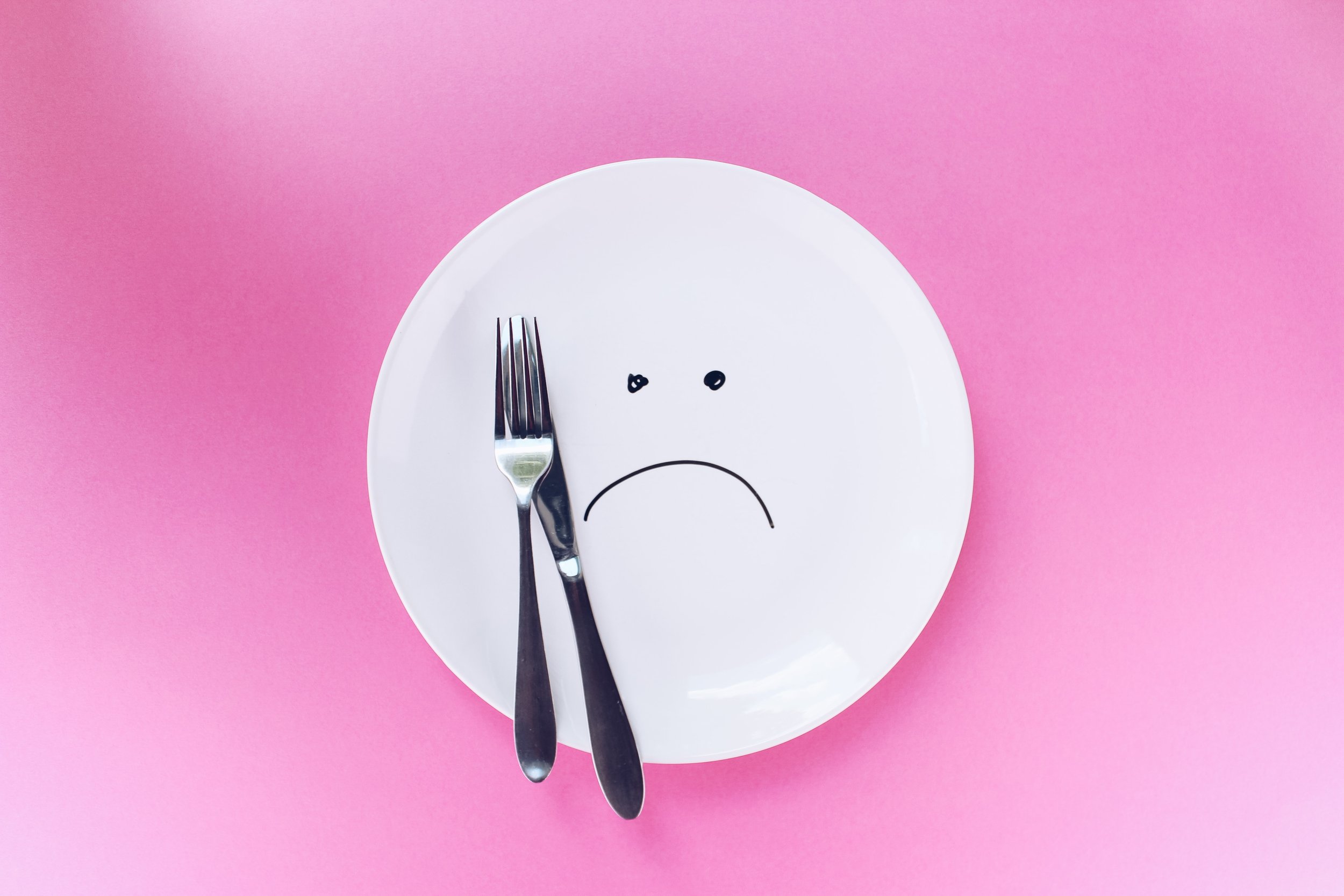
My goal is to lose weight, especially with the holiday coming. I work out 4 days a week, I eat salads and cut carbs, but why can’t I lose weight?
Diet culture can be harmful and put you at risk of developing an eating disorder or disordered eating habits. It is a pervasive belief that appearance and body shape are more important than physical, psychological, and overall well-being. At its core, diet culture suggests that controlling your body—particularly through food restriction—is normal and desirable.
Dieting often emphasizes limiting what and how much you eat, counting calories, or prioritizing low-fat and low-carb options. It can lead to frequent weigh-ins and negatively impact your mood and motivation if you don’t meet weight goals. Diet culture also normalizes labeling food as “good” or “bad” and creates a transactional mindset—believing you must “earn” food through exercise or “deserve” it only if you’ve eaten “well” that day. Over time, this labeling can extend to labeling yourself as good or bad based on your food choices.
The Impact on Self-Image and Behavior
Diet culture conditions people to believe these patterns are normal. Unfortunately, this often fosters poor self-esteem and negative self-talk. Many internalize the idea that being thin makes someone more valuable or worthy than someone who isn’t, leading to an all-or-nothing mindset around food, body image, and exercise.
This approach can develop into disordered eating patterns that lack a focus on real nutrition. Instead of valuing a balanced diet, the emphasis falls on restricting calories, punishing yourself through exercise, and avoiding “bad foods.”
Food Is More Than Fuel
While food does fuel the body, it also plays an important cultural and emotional role. Diet culture isolates food as something that must be earned and removes the joy and social connection that comes from eating. Around holidays especially, diet culture intensifies—through ads for detoxes, weight-loss “resets,” and gym promotions. These practices are often unscientific and can deprive your body of valuable nutrients it needs to function optimally.
When Dieting Becomes Obsession
At its extreme, diet culture can manifest as Orthorexia, an unhealthy obsession with eating “correctly” or “cleanly.” This can harm daily functioning, social life, and emotional health. Signs of orthorexia may include:
-
Following rigid eating rituals
-
Avoiding foods deemed “unhealthy” without medical reason (e.g., gluten without intolerance)
-
Restrictive fad diets, detoxes, and cleanses
Left unchecked, this can contribute to serious mental health conditions such as anorexia nervosa, obsessive-compulsive disorder, or body dysmorphic disorder.
The Connection to Body Image
Because diet culture glorifies thinness, it reinforces the harmful belief that health equals being thin. Celebrities and influencers often glamorize diet products or weight-loss tools, but these promote thinness as the path to happiness, acceptance, and health. The reality is that appearance does not paint a complete picture of health. People of all body sizes can live happy, healthy, fulfilling lives.
How to Push Back Against Diet Culture
Since diet culture is pervasive, taking intentional steps to reduce its influence can help:
-
Unfollow harmful influences: Limit exposure to pages, influencers, or celebrities that endorse restrictive diets.
-
Seek positive voices: Follow communities and professionals who promote intuitive eating, body positivity, or body neutrality.
-
Practice body neutrality: Focus on appreciating your body for what it can do rather than how it looks.
Shifting away from food labeling and appearance-based worth allows you to honor and respect your body as it is right now.
Needing some additional support in navigating a healthy balance between emotional wellbeing and physical wellness? Click here.
