Health

Taking the time to check in with yourself is a very important routine to establish. Oftentimes, these check ins are completed for physical health; between routine doctor and dentist visits, recognizing when an illness or aches and pains begin. When a headache or fever begins, most will take medication to assist in feeling better. While it is important to pay attention to your physical health, it is also important to focus on your mental well-being. Sometimes you may be experiencing stress, sadness, or anger without either realizing it or taking the time to take care of yourself in those moments.

The holidays can be a stressful time for many people. There is much to coordinate from who is hosting, to navigating the many homes you may have to visit across family members. You may experience stress around the finances of buying gifts, worry around seeing people you may not like, or concern about that one family member that says a lot of controversial or offensive things. Stress may also arise when seeing your parents especially if you don’t have the best relationship with them. The holidays can be filled with a lot of anxiety, depression, and stress. For those struggling with eating disorders the holidays also bring up a lot of stress around food and eating. The holidays can also serve as a trigger if you struggle with an eating disorder or emotional eating. There may be a lot of fear foods for you, not a lot of support or escape and worry to stick to a meal plan or therapy goals. In a time of the year with a lot of gatherings, seeing people, and body conscious meals here are some strategies for planning ahead this holiday season:

It can be difficult to love how we look, love the shape of our body, our current weight, or natural hair color. It is often easy to compare ourselves to our favorite celebrities, models in fashion and beauty magazines and their photoshopped pictures , all of which can make us feel inadequate. However, the way we view ourselves has begin to shift with more focus on the body positivity movement. This movement focuses on loving all bodies, shapes, sizes , colors, genders, and abilities. Another movement that is becoming more prominent is body neutrality which focuses on appreciating what the body can do, not the appearance.
Let’s talk about both movements and how these viewpoints can allow us to make peace with our bodies.

Eating disorders can be complicated, confusing, and overall a frustrating truth for some people. Recovery is not linear, easy, or as simple as “just eat”. It’s not simply “just buy clothes that fit you”, or “maybe you should start going to the gym?”. Some of these comments can be incredibly hurtful, triggering, and lead to a relapse and worsening symptoms. There are some myths about eating disorders that can lead some people to not take the diagnosis seriously. Recovery is the most successful when you and your family and/or support system learn about common eating disorder myths and accept a new way of thinking. Eating disorder recovery may challenge common beliefs you have learned over your lifetime, generationally through your family, society, or medical professionals. Let’s take the time to get familiar with the truth!

If you are a parent seeking out help and to better understand how to support your child, male or female, living with an eating disorder, below are some strategies and resources for you. Maybe you just started to learn more, or you are here because you suspect your child is struggling with unhealthy eating habits, or maybe something more severe.

One of the most important relationships that make up your life is the relationship that you have with yourself. The way that you treat yourself, talk to yourself, or even follow through on promises you’ve made to yourself can impact your overall mental health and wellbeing. It is easy to fall into a cycle of pleasing others and seeking external validation, however, this takes away from your ability to trust or even love yourself. The relationship you have with yourself also directly impacts the way in which you connect with others.

Whether you began a relationship with your partner many years ago or just found each other, the impact of life-changing events can throw the chips up in the air for many relationships. The need for building new habits and routines alone can cause stress in a relationship. With all the changes that can occur in daily living, relationships have been tested to their limits in the events of things like divorce, loss of a job, having a baby, relocating, etc. Whether is it a large societal shift or increased anxiety about individual life changes, a new normal is not something for which anyone is fully prepared. So, what is it that one could do to build resiliency in your relationship so that it is given its best chance for success in challenging times?
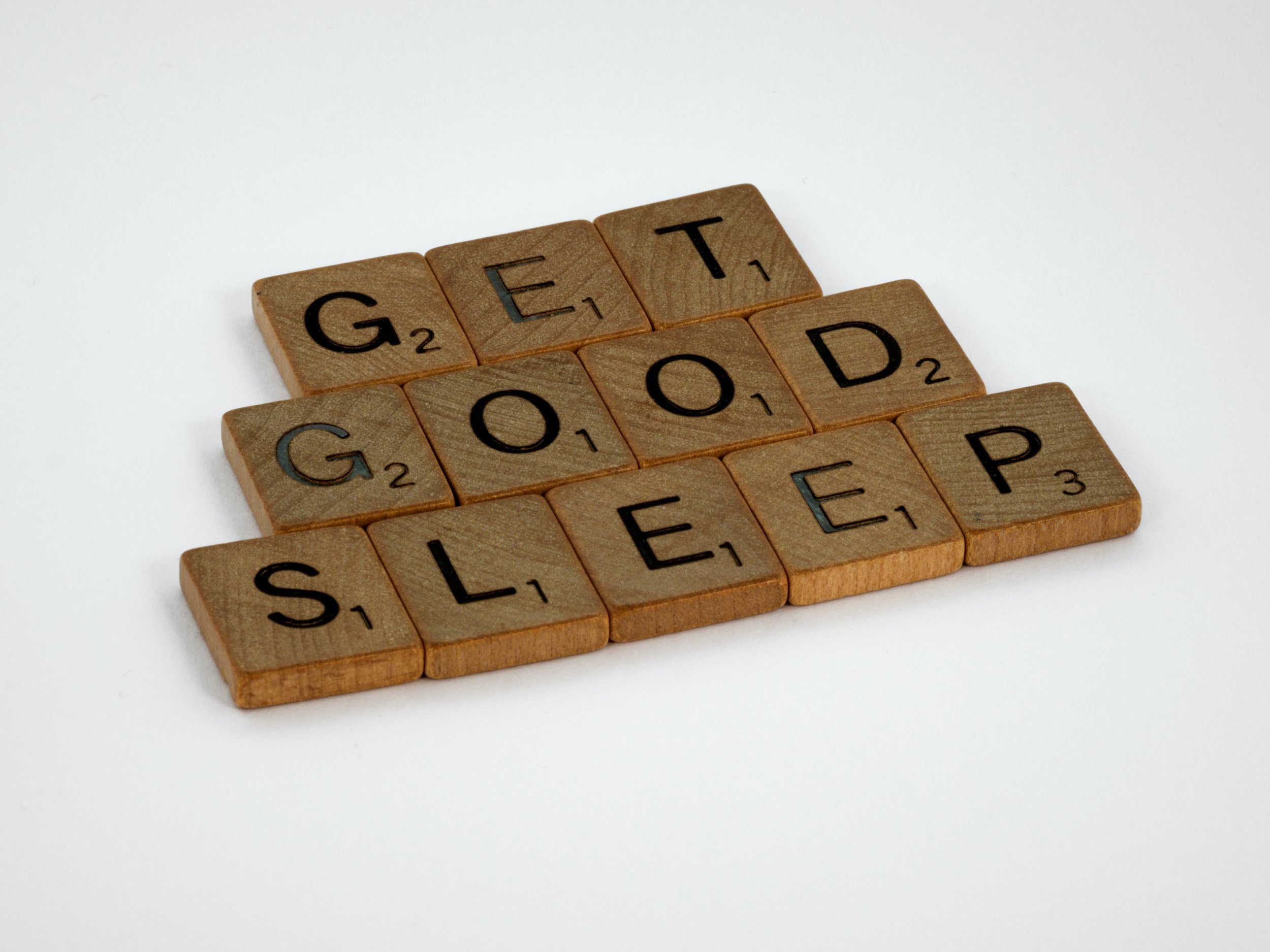
Sleep is essential and it allows your body and mind to recharge, to feel refreshed and alert. Good sleep hygiene helps the body remain healthy and improves your immune system. Without proper sleep, the brain can not function properly. Keep reading for tips on getting better sleep.

This may seem like a silly title. How can a person do anything but value that which they identify as valuable to them? It is true that many people make time and commit energy to the things they hold in the highest regard such as family, relationships, success, education, etc. However, like so many things, this can become an unconscious endeavor and your values can easily fall away from your focus as you find yourself building different routines. If one is neglecting their values, they may be unconsciously reinforcing depression, anxiety, grief, or anger. So how do we interact with our values in such a way that our lives feel meaningful and our goals are effectively achieved?

Grapes are nutritious and delicious, however we are referring to the acronym G.R.A.P.E.S. commonly used to address and combat depression. Symptoms of depression often include having feelings of sadness, even hopelessness, and lack of motivation. During times of depression, it can be helpful to follow these guidelines with the help of the following acronym, and to practice these regularly to reduce the possibility of experiencing depressive symptoms.
