Health

The holidays are now over & it’s time to assess the past year- Are you working too much? Are you feeling fatigued & stressed on a regular basis? Are you isolated & withdrawn from friends/family? Are you experiencing a low mood or poor sleep? Are you having difficulty concentrating or feeling unmotivated? If you answered yes to any of these questions, you may be experiencing burnout.

Mental health and physical health have commonly been considered two entirely different and separate things. However, the two are very closely related in many different ways. At the broadest level, poor mental health negatively impacts one’s physical health and poor physical health may negatively impact one’s mental health. However, positive physical health promotes improvements in mental health and vice-versa. Many factors contribute to both one’s physical health and mental health; however, the benefits, or consequences, one has on the other are significant.

The mind and body are often seen as separate, but mental health and physical health are closely related. Having good mental health can positively affect your physical health, as well as the reverse.

You would not be alone if you are concerned about the possible negative effects on your mental health around the winter season. Many people label this season as one of the most stressful times of the year, while some stress is unavoidable, too much stress can challenge your ability to cope.

If you are someone on a journey to learn more about your eating habits, in recovery from an eating disorder, or someone genuinely interested, this blog will discuss what intuitive eating is. Diet culture can be a difficult approach towards someone’s weight loss goals. It often cycles between restriction and exercise which can put someone at risk to develop disordered eating or an eating disorder. This mindset of a transaction and “bad” food items to be earned through restriction, exercise, or calorie counting can be an unhealthy mindset towards someone’s overall wellbeing. Our body is an amazing tool and vessel. Sometimes we can ignore what it is telling us it may need. Intuitive eating is an approach to shift our focus from what we know, towards a healthier relationship with food. Not one filled with anxiety, stress, guilt, sadness, and shame if we have a donut, or “ate horribly today”. Intuitive eating is an anti-diet approach where you are more mindful and connected with your body as it tells you what it needs. Through this, you learn not to judge yourself or listen to diet culture tones. Our body tells us when it is hungry, when it is thirsty, when it is starving, and what is satisfying.

Video games have frequently been portrayed in the media as, at best, a “waste of time”, and at worst, harmful to those who play them. However, there has been an increasing amount of research that not only contradicts these claims, but identifies numerous benefits of playing video games. Another common misconception of video games is that it is for children, particularly male children; however, the people who play video games has continued to become an increasingly diverse group. The age of the average video game player is 35 and it is estimated that approximately 59% of those who play video games are male and 41% are female (Halbrook, O’Donell & Mstefi 2019).

In the mental health field, we focus on ways in which we can feel better by learning effective coping skills to alleviate mental distress. Often enough, we don’t take into consideration how the food we eat impacts not only our physical health, but also our mental wellbeing. Therefore the question is, does our diet affect how we feel emotionally? The answer is an astounding YES!!!

Why is sleep so important? Sleep is a critical aspect of our overall wellbeing both physically & mentally. There are two major phases of brain activity during sleep that we cycle through every night. These are called Non-Rapid Eye Movement (NREM) & Rapid Eye Movement (REM). During NREM sleep, the brain slows down which results in decreased eye movement & muscle activity. This is when the brain is preparing the mind & body to enter into a state of deep sleep. About 1-2 hours after NREM, we enter into REM sleep. This is when activity in the brain increases at a rapid speed & usually results in vivid dreaming! Throughout the night we go in & out of these two phases of sleep.
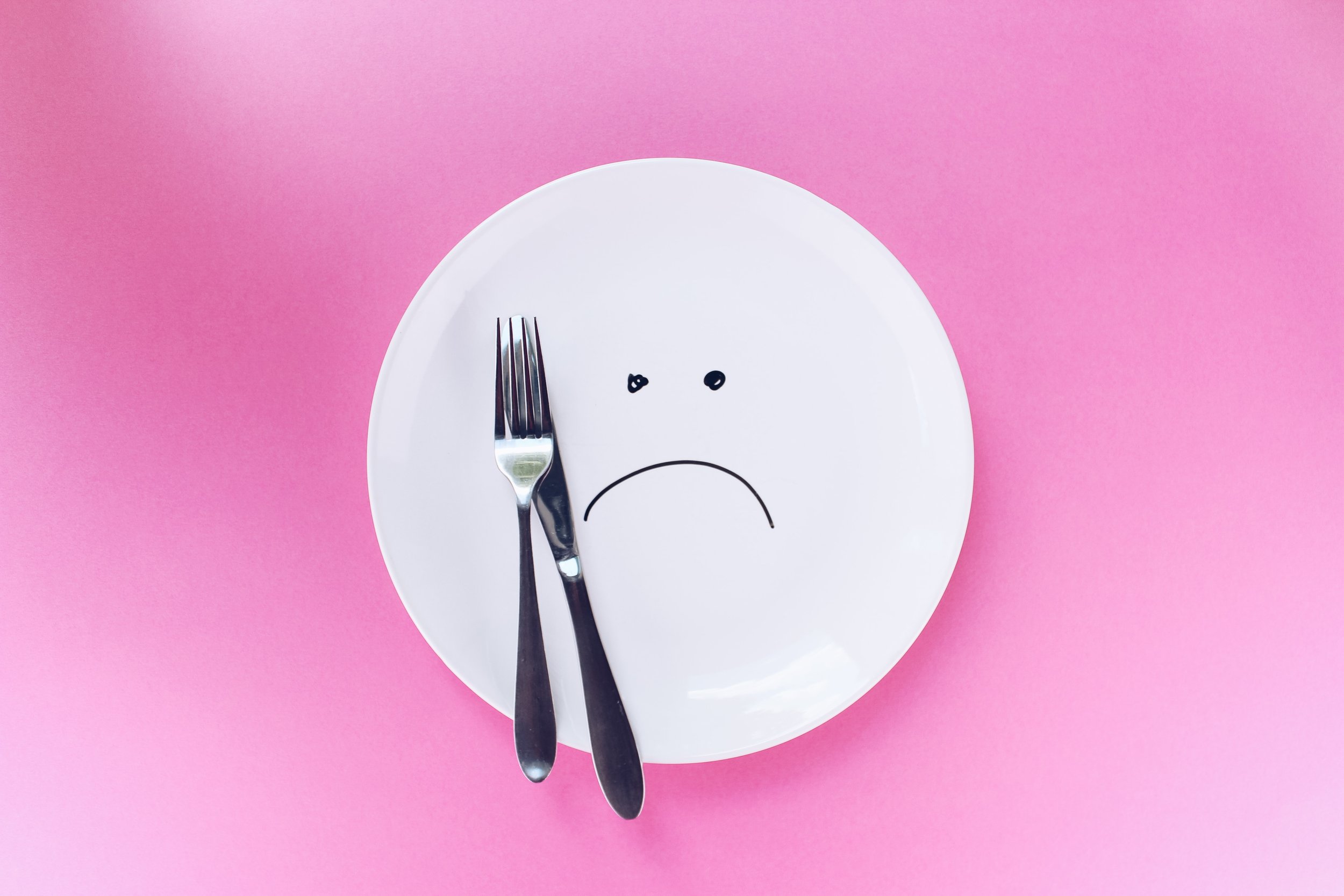
Diet culture can be harmful and put you at risk for developing an eating disorder or form disordered eating habits. Diet culture is a pervasive belief that appearance and body shape are more important than physical, psychological, and general well-being. It is more of an idea that if you can control your body, and more importantly your diet, this is normal. Diet’s emphasize limiting what and how much you eat, it can lead you to count calories or choose low fat and low carb options. You can develop more attention towards weighing yourself frequently and if you don’t reach your weight loss goals or gain weight, this can negatively impact your mood and motivation. Diet culture normalizes labeling food as good or bad and thinking it is more of a transaction. This means, you either earn it or don’t deserve it depending on how much you have exercised or how you have eaten that day or week so far. Beyond this, it can extend to labeling yourself as good or bad for eating some of these foods.

Body neutrality is a movement and approach to redefine our values and standards of ourselves, shed the pressures of societal beauty standards, and love ourselves in an entirely new way, not on appearance, but function. We can learn more about ourselves and focus on acceptance of ourselves, without an inherent focus on our bodies. Below are a few ways to move toward a body neutrality stance toward ourselves:
