THE BLOG

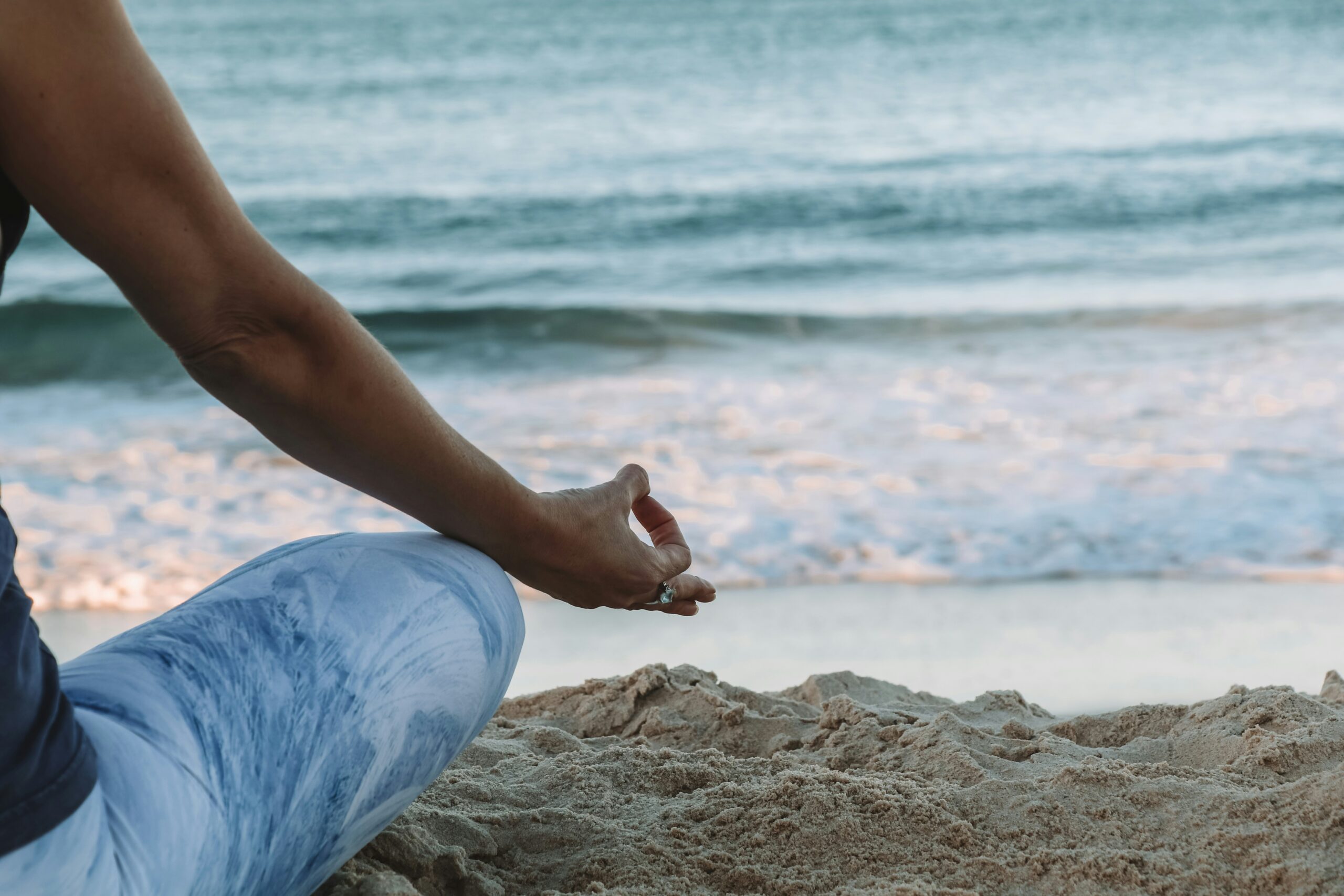
May is Meditation Month however it doesn’t just need to be May to practice the daily benefits of mindfulness and meditation. Mindfulness is the practice of staying present, and focusing on the moment. Research shows that practicing mindfulness through meditation or other relaxation strategies daily can lead to many benefits for both our physical and emotional wellbeing.
We know we all need to engage in self-care. It makes us feel good, it helps us destress, and we know that there are long-term benefits for our mental and physical health. However, in difficult moments, it’s often difficult for our brains to remember all the self-care activities we know as our nervous systems take over and attempt to fight or flee. Thus, developing a self-care toolkit for any moment can be helpful. By having these on hand, you can use them anytime you feel stress or need something to help you regroup.
Starting your day off focused on things you enjoy, and what you want to achieve, can reduce the stress that can sometimes occur first thing. Aim to spend a few moments each morning focused on what you want your day to look like. Imagining a positive outcome can assist in this actually occurring. So aim to start your day considering what you are looking forward to and practicing self-care first thing.


We all experience around 6000 thoughts per day. That’s a lot of thinking within one waking period! That being said, sometimes these thoughts get stuck in your mind, almost as if they are a song with an error that keeps playing the same five seconds of the song, or a television show that’s frozen on one particular scene. Often the thoughts that tend to get stuck and cycle like this, are associated with negative emotions such as worry about various topics such as completing tasks, perceptions others may have of us, or something we are worried we may have forgotten.
Therapist Favorites
Explore a curated selection of blog posts recommended by our therapists, designed to provide valuable insights, practical tips, and expert advice on a variety of mental health topics.
MEET OUR THERAPISTS

What is anxiety? Emotionally, anxiety is a state of inner turmoil often marked by intense worry, fear, orunease. It can show up as racing thoughts, dread about the future, or a constant feelingthat something bad might happen—even if there’s no obvious reason. Physically, anxiety activates the body’s stress response. It can manifest physically in arapid […]
Strange title, right? Everybody knows how to breathe! However, there may be more to breathing than we may realize. Everybody has gone through moments of nervousness and worry, be it when taking a test, thinking about the next sports game, or even choosing a gift for someone you care about. When feeling anxious or generally […]

When we think of having a healthy diet, we naturally think of how this will impact our body. What we often overlook is how our diet impacts our mental health. Research continues to support this idea that our very diet can leave us more susceptible to negative moods and even our overall mental health (Firth […]
All Recent Posts

Coping with anger can be stressful and upsetting. However, there are several coping strategies

With the pandemic forcing many of us to stay inside as much as possible, most therapists are meeting their clients virtually at present, in order to protect others and remain safe. While there has been an adjustment to navigating virtual therapy, there have been many benefits to being able to transition to more virtual opportunities for therapy.
What is anxiety? Emotionally, anxiety is a state of inner turmoil often marked by intense worry, fear, orunease. It can show up as racing thoughts, dread about the future, or a constant feelingthat something bad might happen—even if there’s no obvious reason. Physically, anxiety activates the body’s stress response. It can manifest physically in arapid […]
Strange title, right? Everybody knows how to breathe! However, there may be more to breathing than we may realize. Everybody has gone through moments of nervousness and worry, be it when taking a test, thinking about the next sports game, or even choosing a gift for someone you care about. When feeling anxious or generally […]
When we think of having a healthy diet, we naturally think of how this will impact our body. What we often overlook is how our diet impacts our mental health. Research continues to support this idea that our very diet can leave us more susceptible to negative moods and even our overall mental health (Firth […]

It is never an easy process to acknowledge that we may be struggling. Oftentimes in our struggles, we may seek quick relief. Substances are a popular choice for finding this quick relief. Unfortunately, some may fall victim to the dark side of substances and face addiction. When we think of addiction in general, substances are […]
With the pandemic forcing many of us to stay inside as much as possible, most therapists are meeting their clients virtually at present, in order to protect others and remain safe. While there has been an adjustment to navigating virtual therapy, there have been many benefits to being able to transition to more virtual opportunities for therapy.
LOOKING FOR MORE ON
LOOKING FOR MORE ON
Being in a relationship with someone who has a trauma history can be uniquely challenging at times. In many cases, individuals who experience trauma may behave in ways that are hard for their partner to understand. They may experience panic attacks, express distrust, escalate quickly to anger, or become disengaged. As trauma can interrupt emotional processing, those who have experienced trauma often struggle to articulate what is really going on inside of them. This can cause conflict and miscommunication, and it can make it difficult for well-intended partners to know what kind of support to provide. If this sounds a bit like your experience, not to fear! There are ways to become a trauma-informed and compassionate partner while also maintaining your own boundaries and safety within your relationship.

LOOKING FOR MORE ON
Our relationship with ourselves is often at the core of other challenges such as anxiety, depression, low self-esteem, or difficulties in relationships. How do we shift to seeing ourselves and treating ourselves the same way we treat others? If we can learn to be our own friends and practice self-compassion, we can boost our spirits and alleviate some of the struggles leading to that increased critical voice.
Whether you’re new to therapy or continuing your journey, Modern Therapy is here to provide the support you need. We offer flexible, convenient, and accessible care tailored to your unique needs. Reach out to us today, and let’s take the first step together toward a brighter, healthier future.
YOU don't have to navigate it alone


